

Answered by Dr Itender Pal Singh
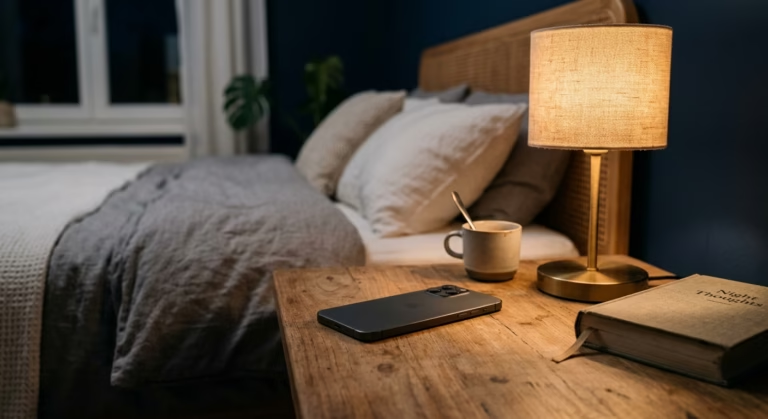
Almost every patient I ask about sleep habits admits their phone is on the nightstand. My honest answer: it’s not the phone’s presence that’s the real problem — it’s how we use it before and during sleep.
The blue light from screens can suppress melatonin production, making it harder to fall asleep. But the bigger issue is usually the mental stimulation — scrolling, notifications, and the temptation to check it if you wake up during the night.
What actually disrupts sleep:
- Using your phone right before bed, which delays melatonin release and keeps your mind active.
- Notifications waking you or fragmenting your sleep.
- The habit of reaching for it the moment you wake up, which can prevent you from falling back asleep.
My advice: You don’t necessarily need to banish your phone from the bedroom, but put it on silent, out of arm’s reach, and stop using it at least 30-60 minutes before bed. That habit change matters more than where the phone physically sits.
We have a very strict reviewing guidelines on how to run every article in the website. Everything we write follow a very strict reviewing process by following high quality peer-reviewed studies. Every source we follow are credible and accurate and again reviewed by our doctors to give you all high quality advise and content.
For the latest health trending topics and top of the line updated health and fitness related news and conditions with insights from board certified experienced health professionals, follow Healing Doctor on Facebook, Instagram and Whatsapp.