


Medically reviewed by Dr Itender Pal Singh
Imagine a child or young adult who suddenly becomes extremely thirsty, starts using the bathroom repeatedly, loses weight without trying, and feels exhausted all the time.
At first, the symptoms may look like stress, a viral illness, a busy school schedule, or simply being dehydrated.
But sometimes there is a more serious explanation: Type 1 diabetes.
Unlike type 2 diabetes, this condition can develop relatively quickly, and symptoms may become severe over a short period. In some people, the first major presentation is diabetic ketoacidosis (DKA), a potentially life-threatening emergency.
The good news is that Type 1 diabetes can be managed. The key is recognizing the warning signs, getting the correct diagnosis, and starting appropriate insulin treatment without delay.
In This Article:-
What Is Type 1 Diabetes?
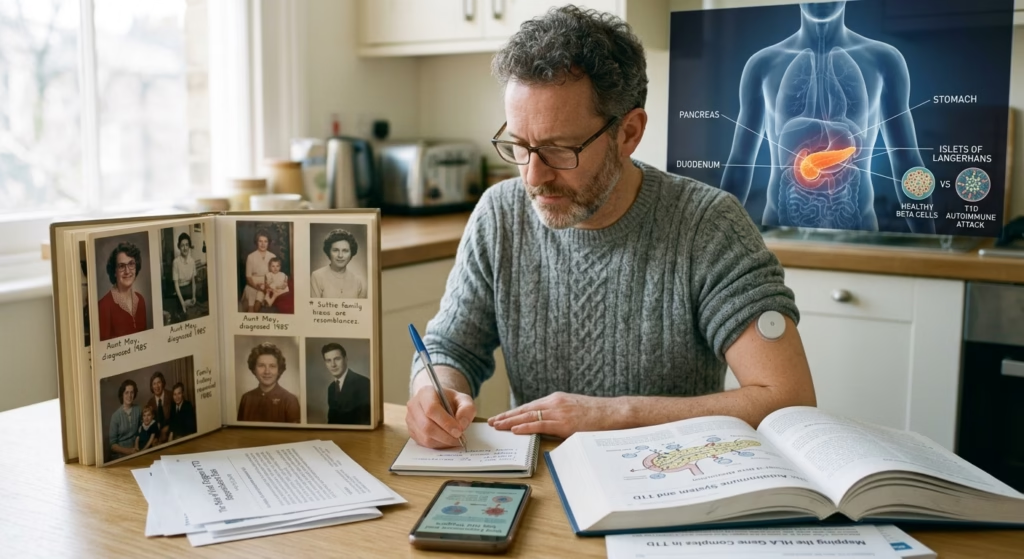
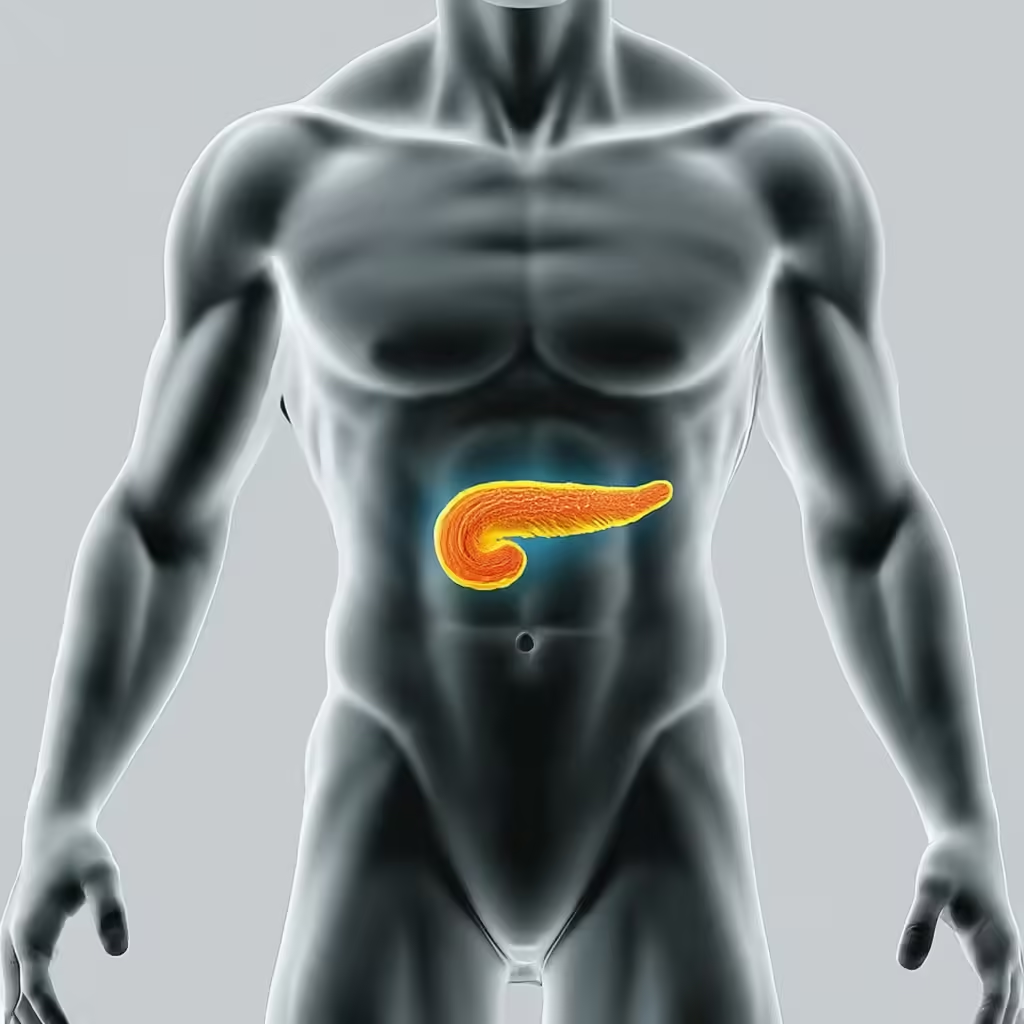
It is an autoimmune disease in which the body’s immune system mistakenly attacks insulin-producing beta cells in the pancreas.
As these cells are destroyed, the pancreas produces little or no insulin.
Insulin is essential because it helps glucose move from the bloodstream into cells, where it can be used for energy.
Without enough insulin, glucose remains in the blood instead of entering cells. Blood glucose then rises, while the body’s cells struggle to get the energy they need.
People with Type 1 diabetes therefore require insulin therapy to survive.
It can develop at any age, although it is particularly common in children, teenagers, and young adults.
It is also important to forget the old idea that this is simply “juvenile diabetes.” Adults can develop it too.
The 6 Warning Signs of Type 1 Diabetes You Shouldn’t Brush Off
The symptoms can appear suddenly, sometimes over weeks or months.
Watch for these common warning signs.
1. Extreme thirst
You may feel thirsty much more often than usual.
High blood glucose causes the kidneys to remove more glucose through urine. This increased urination can contribute to dehydration and persistent thirst.
2. Frequent urination
Someone who suddenly starts urinating much more often—especially waking repeatedly during the night—should not automatically assume it is simply because they are drinking more water.
Frequent urination is one of the classic symptoms of diabetes.
3. Unexplained weight loss
Rapid or unexplained weight loss can occur when the body cannot effectively use glucose for energy.
The body begins using stored fat and other energy sources instead.
If weight is falling without a deliberate change in diet or exercise, it deserves medical attention.
4. Constant fatigue
When glucose cannot efficiently enter cells, the body may struggle to obtain enough usable energy.
The result can be persistent tiredness, weakness, or difficulty concentrating.
5. Blurred vision
High blood glucose can affect the fluid balance in the eye and temporarily alter vision.
Sudden or unexplained blurred vision should be discussed with a healthcare professional.
6. Increased hunger
A person may feel unusually hungry even after eating.
The problem isn’t necessarily a lack of food. The issue is that glucose isn’t getting into cells effectively because insulin is absent or insufficient.
These symptoms are also seen in other forms of diabetes, so testing is necessary to determine the cause.
Why Can Type 1 Diabetes Become an Emergency?
This is where ignoring the warning signs can become dangerous.
When insulin levels are extremely low, the body starts breaking down fat for energy. This produces chemicals called ketones.
If ketones accumulate, the blood can become dangerously acidic, resulting in diabetic ketoacidosis (DKA).
DKA may cause:
- Nausea or vomiting
- Abdominal pain
- Severe fatigue
- Very dry mouth or skin
- Rapid or deep breathing
- Fruity-smelling breath
- Dehydration
- Confusion
- Loss of consciousness
DKA can be life-threatening and requires urgent medical treatment.
Don’t wait for symptoms to become severe
If someone has symptoms suggestive of diabetes along with vomiting, abdominal pain, difficulty breathing, confusion, severe dehydration, or altered consciousness, seek emergency medical care.
What Causes Type 1 Diabetes?
Here’s the frustrating part: researchers still don’t know exactly why some people develop the disease.
What is clear is that the condition involves an autoimmune process.
The immune system mistakenly attacks the pancreas’s insulin-producing beta cells.
Genetics may increase the risk
Certain genetic factors can make someone more susceptible.
Having a close relative with it can increase risk, but having a family history does not mean that a person will definitely develop it.
Environmental factors may also matter
Researchers believe environmental factors may contribute to triggering the autoimmune process in genetically susceptible people.
Possible triggers are still being investigated.
Importantly, eating sugar or having an unhealthy lifestyle does not cause Type 1 diabetes.
Can You Prevent Type 1 Diabetes?
Currently, there is no general lifestyle strategy that can prevent Type 1 diabetes.
This is different from type 2 diabetes, where lifestyle factors can play an important role in risk.
However, medical science has made an important advance: people at high risk can sometimes be screened before symptoms develop.
Early-stage Type 1 diabetes can be identified by looking for diabetes-related autoantibodies and changes in blood glucose.
In appropriate people, treatment can delay progression from an early stage to symptomatic disease.
How Is It Diagnosed?
Doctors generally begin with blood glucose testing.
Common diagnostic criteria for diabetes include:
- Fasting plasma glucose: 126 mg/dL or higher
- Random plasma glucose: 200 mg/dL or higher when accompanied by classic symptoms
- HbA1c: 6.5% or higher
Depending on the situation, additional testing may be needed to determine whether the diabetes is type 1, type 2, or another form.
Healthcare professionals may use tests such as diabetes-related autoantibodies and C-peptide measurements to help clarify the diagnosis.
This distinction matters because treatment depends on the type of diabetes.
Type 1 Diabetes vs. Type 2 Diabetes: What’s the Difference?
These two conditions are often confused, but they are not the same disease.
| Feature | Type 1 Diabetes | Type 2 Diabetes |
|---|---|---|
| Main problem | Autoimmune destruction of beta cells | Insulin resistance and progressive beta-cell dysfunction |
| Insulin production | Little or none | Usually present, especially early |
| Can occur at any age? | Yes | Yes |
| Symptoms | May develop quickly | Often develop gradually |
| Insulin required? | Yes | Not always |
| Lifestyle cause? | No | Lifestyle can contribute to risk |
| Prevention | Currently no general prevention | Often risk can be reduced |
| Main treatment | Insulin plus comprehensive diabetes care | Lifestyle changes and/or medications, depending on individual needs |
The American Diabetes Association classifies autoimmune Type 1 diabetes separately from type 2 diabetes because the underlying disease process is different.
How Is Type 1 Diabetes Treated?
There is currently no routine cure for established it.
But treatment can effectively control blood glucose and help people live full lives.
1. Insulin is essential
Because the pancreas produces little or no insulin, people with it need insulin replacement.
Insulin may be delivered using:
- Insulin syringes
- Insulin pens
- Insulin pumps
- Automated insulin-delivery systems for appropriate patients
The exact insulin regimen is individualized.
Current ADA guidance recommends insulin therapy using multiple daily doses or continuous subcutaneous insulin infusion for most adults with Type 1 diabetes.
2. Blood glucose monitoring
Regular glucose monitoring helps people understand how food, insulin, exercise, illness, stress, and other factors affect blood sugar.
Continuous glucose monitoring (CGM) can provide ongoing glucose information and may be incorporated into modern diabetes management.
3. Food and carbohydrate management
People with Type 1 diabetes don’t need to stop eating carbohydrates altogether.
Instead, they generally learn how different foods affect blood glucose and how to coordinate insulin with meals.
Carbohydrate counting and individualized insulin adjustment are important parts of modern diabetes education.
4. Physical activity
Exercise can improve fitness and overall health, but physical activity can also change insulin requirements and blood glucose.
People with Type 1 diabetes should learn how to monitor glucose and adjust their diabetes management around exercise with guidance from their healthcare team.
5. Regular medical follow-up
Diabetes management isn’t just about today’s blood sugar reading.
Regular healthcare visits help monitor glucose control, medications, blood pressure, cholesterol, kidney health, eye health, nerve health, and other potential complications.
What Happens When Blood Sugar Falls Too Low?
Treatment itself can sometimes cause hypoglycemia.
Low blood glucose may cause:
- Shaking
- Sweating
- Hunger
- Dizziness
- Irritability
- Confusion
- Difficulty concentrating
- Weakness
- Loss of consciousness in severe cases
People using insulin should have an individualized plan for recognizing and treating hypoglycemia.
Severe hypoglycemia may require emergency assistance, and some people at risk may be prescribed glucagon.
What Happens When Blood Sugar Gets Too High?
Hyperglycemia occurs when blood glucose becomes too high.
Mild or moderate elevations may cause thirst, frequent urination, fatigue, or blurred vision.
Very high glucose combined with insufficient insulin can lead to DKA.
This is why people with Type 1 diabetes need to understand sick-day management and know when to check ketones and seek medical assistance.
What Complications Can Type 1 Diabetes Cause?
Poorly controlled diabetes over time can damage blood vessels and nerves.
Potential complications include:
- Eye disease
- Kidney disease
- Nerve damage
- Cardiovascular disease
- Foot problems
- Other blood-vessel complications
The important point is that good diabetes management can help reduce the risk of many long-term complications.
Blood glucose control is only one part of prevention. Blood pressure, cholesterol, smoking status, physical activity, nutrition, and regular screening also matter.
A Real-Life Scenario: When “Stress” Wasn’t the Problem
Consider a teenager who begins drinking water constantly and waking several times each night to urinate.
Over the following weeks, they lose noticeable weight and become increasingly tired.
The family initially assumes the teenager is exhausted because of school and sports.
Then the symptoms become worse.
A medical evaluation reveals severely elevated blood glucose, and further testing confirms Type 1 diabetes.
This type of situation illustrates why sudden thirst, frequent urination, unexplained weight loss, and fatigue should not simply be dismissed as stress or a busy routine.
Early recognition can lead to earlier treatment and may help prevent a dangerous presentation such as DKA.
Can Adults Develop Type 1 Diabetes?
Yes.
This is one of the most important misconceptions to correct.
Type 1 diabetes can occur in adults as well as children.
Because adult-onset cases can sometimes develop more gradually, they may initially be mistaken for type 2 diabetes.
If symptoms don’t fit the presumed diagnosis or blood glucose remains difficult to control, healthcare professionals may perform additional tests to clarify the type of diabetes.
Is There a Cure for Type 1 Diabetes?
At present, there is no widely available cure that permanently restores normal insulin production for everyone with established Type 1 diabetes.
However, treatment continues to advance.
Modern glucose monitoring, insulin pumps, automated insulin delivery, and other technologies have changed how many people manage the disease.
Researchers are also investigating therapies aimed at preserving insulin-producing cells and delaying disease progression.
For people identified at an early stage, certain treatments may delay progression to symptomatic disease in appropriate circumstances.
When Should You See a Doctor?
Don’t ignore symptoms such as:
- Excessive thirst
- Frequent urination
- Unexplained weight loss
- Persistent fatigue
- Blurred vision
- Increased hunger
Arrange medical evaluation if these symptoms are new or unexplained.
Seek urgent medical care if symptoms are accompanied by vomiting, abdominal pain, rapid or difficult breathing, fruity-smelling breath, severe dehydration, confusion, or loss of consciousness because these can occur with DKA.
The Bottom Line
It isn’t caused by eating too much sugar or simply having an unhealthy lifestyle.
It is an autoimmune disease in which the body’s immune system destroys insulin-producing beta cells.
The warning signs can appear quickly: excessive thirst, frequent urination, unexplained weight loss, fatigue, increased hunger, and blurred vision should never be casually dismissed.
Once diagnosed, insulin is essential. But insulin is only one part of treatment. Glucose monitoring, nutrition, physical activity, education, regular medical care, and attention to mental well-being all play important roles.
Most importantly, Type 1 diabetes is manageable. Recognizing the symptoms early and getting appropriate medical care can make a major difference.
Frequently Asked Questions
1. What is Type 1 diabetes?
It is an autoimmune condition in which the immune system destroys insulin-producing beta cells in the pancreas. As a result, the body produces little or no insulin and requires insulin replacement.
2. What are the first symptoms of Type 1 diabetes?
Common symptoms include excessive thirst, frequent urination, increased hunger, unexplained weight loss, fatigue, and blurred vision. Symptoms may develop rapidly.
3. Can Type 1 diabetes develop in adults?
Yes. Although it frequently develops during childhood or adolescence, adults can develop it at any age.
4. Does eating sugar cause Type 1 diabetes?
No. It is an autoimmune disease. Diet and lifestyle habits do not cause the autoimmune destruction of insulin-producing pancreatic cells.
5. Do people with Type 1 diabetes need insulin every day?
Yes. Because the pancreas produces little or no insulin, insulin replacement is essential for survival.
6. Is Type 1 diabetes curable?
There is currently no routine cure for established Type 1 diabetes. However, modern insulin therapy, glucose monitoring, automated insulin-delivery technologies, and emerging treatments can substantially improve management.
7. What is diabetic ketoacidosis?
Diabetic ketoacidosis, or DKA, occurs when there is insufficient insulin and the body produces excessive ketones, causing the blood to become acidic. It is a medical emergency.
8. Can Type 1 diabetes be prevented?
There is currently no general lifestyle method that prevents Type 1 diabetes. However, screening can identify certain people at high risk before symptoms develop, and early treatment may delay progression in appropriate cases.
9. Can someone with Type 1 diabetes live a normal life?
Yes. With appropriate insulin therapy, glucose monitoring, medical follow-up, education, and lifestyle management, people with Type 1 diabetes can live active and fulfilling lives.
10. When is Type 1 diabetes an emergency?
Severe vomiting, abdominal pain, rapid breathing, fruity-smelling breath, severe dehydration, confusion, or unconsciousness can indicate DKA and require emergency medical assessment.
Sources:-
- CDC — Type 1 Diabetes: CDC Type 1 Diabetes
- NIDDK — Type 1 Diabetes: NIDDK Type 1 Diabetes
- CDC — Early Treatment for Type 1 Diabetes: CDC Early Treatment for Type 1 Diabetes
- American Diabetes Association — Standards of Care in Diabetes 2026: ADA Standards of Care 2026
- NIDDK — Insulin, Medicines, and Other Diabetes Treatments: NIDDK Diabetes Treatments
- Healthline — Type 1 Diabetes: Symptoms, Causes, and Treatment: Healthline Type 1 Diabetes Article
Medical disclaimer: This article is intended for general education and does not replace diagnosis or treatment from a qualified healthcare professional. Anyone experiencing symptoms suggestive of diabetes—especially symptoms of possible DKA—should seek appropriate medical care promptly.
We have a very strict reviewing guidelines on how to run every article in the website. Everything we write follow a very strict reviewing process by following high quality peer-reviewed studies. Every source we follow are credible and accurate and again reviewed by our doctors to give you all high quality advise and content.
For the latest health trending topics and top of the line updated health and fitness related news and conditions with insights from board certified experienced health professionals, follow Healing Doctor on Facebook, Instagram and Whatsapp.