
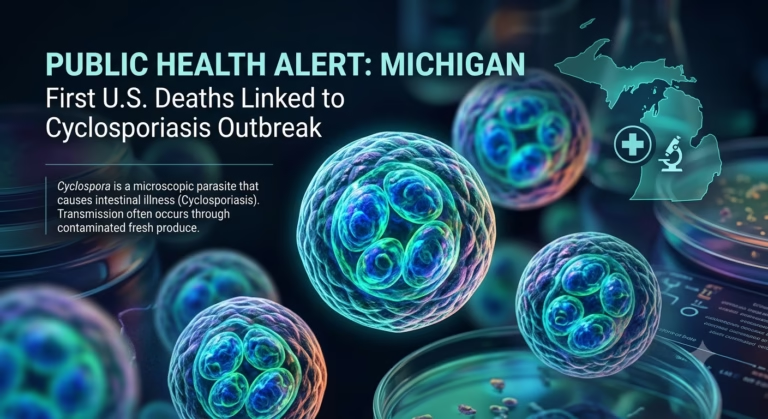

Michigan has reported the first two U.S. deaths linked to the ongoing “Explosive Diarrhea Parasite ” cyclosporiasis outbreak. Learn about the latest case numbers, symptoms, causes, affected foods, and practical ways to stay protected.
In This Article :-
Michigan Confirms First Two Deaths in Ongoing “Explosive Diarrhea Parasite ” Cyclosporiasis Outbreak
A parasitic infection that is usually known for causing severe explosive diarrhea has now been linked to the first reported deaths in the United States during the current outbreak.
Michigan health officials confirmed two deaths associated with the nationwide cyclosporiasis outbreak on August 3. Both individuals had serious underlying medical conditions, and officials believe dehydration caused by the infection may have contributed to their deaths.
The announcement has renewed concerns about foodborne illnesses and highlights why persistent stomach infections should never be ignored, particularly in older adults and people with weakened immune systems.
Why This Outbreak Is Raising Serious Concerns
“Explosive Diarrhea Parasite ” Cyclosporiasis is generally not considered a life-threatening illness. However, this outbreak demonstrates that the infection can become dangerous when it affects vulnerable individuals.
According to Michigan’s latest update, the state has reported 11,234 laboratory-confirmed cases, the highest number in the country. The U.S. Centers for Disease Control and Prevention (CDC) has acknowledged the two deaths and noted that both patients had significant underlying health conditions.
Former U.S. Food and Drug Administration Deputy Commissioner Frank Yiannas emphasized that foodborne illnesses should never be dismissed as “just a stomach bug,” especially when preventable infections continue to affect thousands of people.
Cases Continue to Climb Across the United States
The number of infections continues to increase rapidly.
As of the latest available reports:
- Michigan: 11,234 confirmed cases
- Ohio: 4,087 confirmed cases
- CDC Nationwide Total (July 28): 6,707 laboratory-confirmed cases across 45 states
Interestingly, Michigan and Ohio alone have reported more confirmed infections than the CDC’s national total.
This difference exists because the CDC follows strict reporting standards. Only laboratory-confirmed cases occurring after May 1 and meeting federal verification criteria are included. The agency also estimates that national reporting can lag by nearly six weeks, meaning the true number of infections may be substantially higher.
What Is Cyclosporiasis?
“Explosive Diarrhea Parasite ” Cyclosporiasis is an intestinal illness caused by the microscopic parasite Cyclospora cayetanensis.
People usually become infected after eating fresh produce contaminated with the parasite. Unlike bacteria, “Explosive Diarrhea Parasite ” Cyclospora cannot spread directly from one person to another because it requires time outside the human body before becoming infectious.
Most healthy people recover completely with appropriate treatment, but some individuals may develop severe illness requiring hospitalization.
Common Symptoms You Should Never Ignore
Symptoms generally begin about one week after consuming contaminated food.
Common signs include:
- Frequent watery diarrhea
- Sudden explosive diarrhea
- Stomach cramps
- Nausea and vomiting
- Loss of appetite
- Fatigue
- Weight loss
- Low-grade fever
- Dehydration
Without treatment, symptoms may last for several weeks and can return repeatedly.
Why Some People Face Greater Risk
Although deaths remain uncommon, certain groups are much more likely to develop severe complications.
Higher-risk individuals include:
- Older adults
- People with weakened immune systems
- Cancer patients
- Organ transplant recipients
- Individuals with chronic illnesses
- Patients with severe dehydration
In these patients, prolonged diarrhea can lead to dangerous fluid loss, electrolyte imbalance, kidney complications, and hospitalization.
Case Study: Michigan’s Largest “Explosive Diarrhea Parasite ” Cyclosporiasis Outbreak
The current Michigan outbreak has become the largest documented “Explosive Diarrhea Parasite ” Cyclospora outbreak in the United States this year.
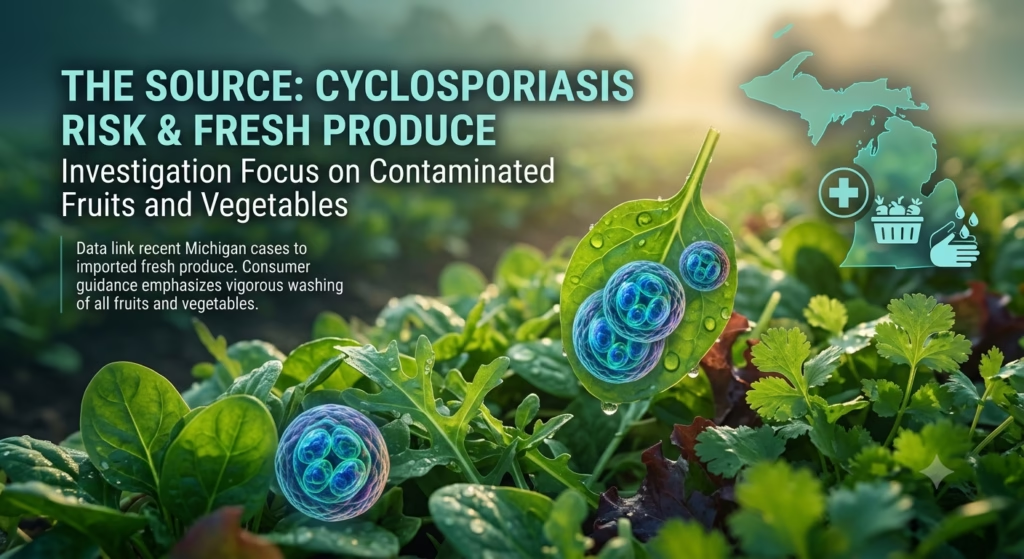
Health investigators have linked many cases to recalled iceberg lettuce grown by Taylor Farms in Mexico, although several smaller outbreaks remain under investigation.
Tracing Cyclospora outbreaks is particularly challenging because:
- The parasite has a relatively long incubation period.
- Patients often cannot recall exactly what they ate days earlier.
- Laboratory testing is more difficult than for bacteria such as E. coli or Listeria.
- Scientists currently lack genetic tracking tools comparable to those used for other foodborne pathogens.
These factors make identifying contaminated food sources significantly more difficult.
Public Health Experts Raise Concerns About Surveillance
Several infectious disease experts have expressed concern that reductions in foodborne disease surveillance may slow outbreak detection.
Last year, the CDC reduced parts of a long-standing federal-state surveillance partnership that monitored foodborne illnesses, including “Explosive Diarrhea Parasite ” Cyclospora infections.
Some public health researchers believe reduced staffing and surveillance could delay identifying contaminated food products, although federal officials have stated that essential outbreak response efforts remain operational.
The debate highlights the importance of maintaining strong disease monitoring systems to quickly detect and control future outbreaks.
Taco Bell Responds to Lettuce Concerns
As investigations linked certain infections to contaminated lettuce, Taco Bell implemented precautionary measures in selected states.
The company:
- Removed potentially affected lettuce from its supply chain.
- Replaced lettuce supplies within 24 hours in impacted regions.
- Introduced temporary lettuce-free menu promotions to reassure customers during the outbreak.
These actions were intended to reduce any potential exposure while health officials continued their investigations.
How Can You Protect Yourself?
Although it is impossible to eliminate every risk, several simple precautions can reduce the chance of infection:
- Wash fresh fruits and vegetables thoroughly before eating.
- Purchase produce from reliable retailers.
- Stay informed about food recalls.
- Drink adequate fluids if diarrhea develops.
- Seek medical care if diarrhea lasts more than a few days or causes dehydration.
- Individuals with weakened immune systems should be especially cautious with raw produce during active outbreaks.
When Should You See a Doctor?
Medical attention is recommended if you experience:
- Severe or persistent diarrhea
- Signs of dehydration such as dizziness, dry mouth, or reduced urination
- High fever
- Blood in the stool
- Symptoms lasting longer than several days
- Significant weakness or inability to drink fluids
Early diagnosis and treatment can reduce the risk of complications, particularly in vulnerable patients.
The Bottom Line
The first two U.S. deaths associated with the current “Explosive Diarrhea Parasite ” cyclosporiasis outbreak serve as an important reminder that foodborne illnesses can become serious, especially for people with existing health conditions.
While most infections are not life-threatening, the outbreak has already affected tens of thousands of people based on state reports, making continued surveillance, rapid food recall investigations, and public awareness essential.
If you develop persistent watery diarrhea after eating fresh produce, especially during an ongoing outbreak, consult a healthcare provider promptly. Early treatment and proper hydration remain the most effective ways to prevent severe complications.
Frequently Asked Questions (FAQs)
1. What is cyclosporiasis?
Cyclosporiasis is an intestinal infection caused by the parasite Cyclospora cayetanensis. It is usually acquired by eating contaminated fresh produce.
2. What are the symptoms of cyclosporiasis?
Common symptoms include watery diarrhea, explosive diarrhea, stomach cramps, nausea, fatigue, weight loss, and dehydration.
3. Can cyclosporiasis be fatal?
Deaths are rare. However, severe dehydration and complications may occur in older adults or people with weakened immune systems and serious underlying health conditions.
4. How is cyclosporiasis treated?
Doctors commonly prescribe antibiotics, such as trimethoprim-sulfamethoxazole, along with adequate hydration and supportive care.
5. Which foods have been linked to the current outbreak?
Investigators have linked many cases to recalled iceberg lettuce associated with Taylor Farms in Mexico, while other sources remain under investigation.
6. How can I reduce my risk of infection?
Wash fresh produce, follow food recall notices, maintain good hygiene, and seek medical care if severe or prolonged diarrhea develops.
SOURCES :-
- Ohio department of health – Summary of Infectious Diseases in Ohio
- Michigan state health Department – Infectious disease Outbreak
- Centre for Disease Control
We have a very strict reviewing guidelines on how to run every article in the website. Everything we write follow a very strict reviewing process by following high quality peer-reviewed studies. Every source we follow are credible and accurate and again reviewed by our doctors to give you all high quality advise and content.For the latest health trending topics and top of the line updated health and fitness related news and conditions with insights from board certified experienced health professionals, follow Healing Doctor on Facebook, Instagram and Whatsapp.