

Discover everything about plant-based protein, including its health benefits, best food sources, daily protein needs, myths, and expert-backed tips to build a balanced diet.
More people are switching to plant-based diets than ever before. Whether it’s for better health, weight management, environmental concerns, or ethical reasons, plant-based protein has become one of the fastest-growing nutrition trends worldwide.
But one question continues to worry many people:
“Can plant-based protein provide everything my body needs?”
Some believe only meat can build muscles. Others think plant proteins are incomplete and ineffective. These misconceptions often prevent people from making healthier food choices.
The good news is that current scientific evidence tells a different story.
Let’s understand what plant-based protein really is, how it benefits your health, and how you can include it in your daily meals.
What Is Plant-Based Protein?
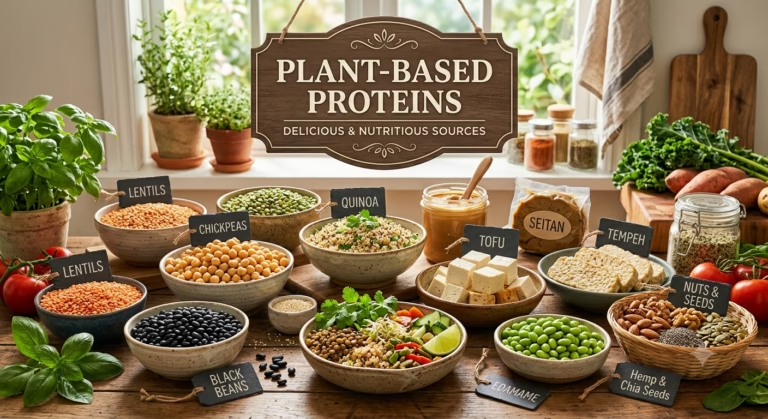
Plant-based protein refers to protein obtained from foods grown from plants instead of animals. These foods provide amino acids that the body uses to build muscles, repair tissues, produce hormones, and support immunity.
Common plant protein sources include:
- Lentils
- Chickpeas
- Kidney beans
- Soybeans
- Tofu
- Tempeh
- Edamame
- Peanuts
- Almonds
- Walnuts
- Pumpkin seeds
- Chia seeds
- Flaxseeds
- Quinoa
- Oats
- Green peas
Unlike many animal foods, these protein-rich foods also provide dietary fiber, antioxidants, vitamins, minerals, and healthy fats. Research consistently shows that diets emphasizing plant proteins are associated with improved heart health and lower environmental impact.
Why Your Body Needs Protein Every Day
Protein performs hundreds of essential functions inside the body.
It helps:
- Build and repair muscles
- Produce enzymes and hormones
- Strengthen immunity
- Maintain healthy skin, hair, and nails
- Support healthy bones
- Improve recovery after illness or exercise
- Increase fullness after meals
The Recommended Dietary Allowance (RDA) for healthy adults is approximately 0.8 grams of protein per kilogram of body weight per day, although athletes, older adults, pregnant women, and people recovering from illness often require more.
7 Science-Backed Benefits of Plant-Based Protein
1. Supports Heart Health
Replacing part of your animal protein intake with plant protein has been linked to lower LDL (“bad”) cholesterol levels and reduced risk of cardiovascular disease.
Legumes, soy foods, nuts, and seeds are naturally low in saturated fat while providing heart-friendly nutrients like potassium and fiber.
2. Helps with Healthy Weight Management
Protein increases satiety, helping you stay full for longer.
Plant protein foods usually contain fiber, which further slows digestion and may reduce overall calorie intake.
This combination makes plant-based diets useful for long-term weight management.
3. Supports Better Blood Sugar Control
Beans, lentils, chickpeas, and whole grains have a relatively low glycemic impact because of their fiber content.
Regular intake may improve insulin sensitivity and reduce blood sugar spikes after meals.
4. Improves Gut Health
Unlike animal protein, plant foods naturally contain dietary fiber.
Fiber feeds beneficial gut bacteria, supports digestion, and promotes regular bowel movements.
A healthier gut microbiome has also been associated with stronger immunity and reduced inflammation.
5. May Reduce Risk of Chronic Diseases
Several large observational studies have linked higher intake of plant protein with lower risks of heart disease, hypertension, type 2 diabetes, and premature mortality, especially when plant protein replaces processed or red meat.
6. Helps Maintain Muscle
One common myth is that plant protein cannot build muscle.
Research shows that total protein intake, resistance training, and consuming a variety of protein-rich plant foods can effectively support muscle maintenance and growth. Some individuals—particularly athletes or older adults—may need slightly higher intakes because many plant proteins are less digestible and contain less leucine than animal proteins.
7. Better for the Planet
Producing plant proteins generally requires less land, water, and greenhouse gas emissions than producing many animal protein sources.
Choosing more legumes and whole plant foods benefits both personal and environmental health.
Best Plant-Based Protein Foods
| Food | Approximate Protein |
|---|---|
| Soybeans (1 cup cooked) | 28 g |
| Tempeh (100 g) | 19–20 g |
| Tofu (100 g) | 8–15 g |
| Lentils (1 cup cooked) | 18 g |
| Chickpeas (1 cup cooked) | 15 g |
| Kidney beans (1 cup cooked) | 15 g |
| Green peas (1 cup) | 8 g |
| Quinoa (1 cup cooked) | 8 g |
| Pumpkin seeds (30 g) | 8–9 g |
| Almonds (30 g) | 6 g |
Do Plant Proteins Contain All Essential Amino Acids?
This is probably the biggest misconception.
Many plant foods contain all nine essential amino acids, although the proportions differ.
Soy foods and quinoa naturally provide all essential amino acids.
Other foods, such as beans and grains, complement each other. For example:
- Rice + lentils
- Whole wheat roti + chickpeas
- Peanut butter + whole grain bread
Current evidence shows you do not need to combine complementary proteins at every meal. Eating a variety of plant foods throughout the day is sufficient for most healthy adults.
Real-Life Example
A 45-year-old office worker with obesity and high cholesterol replaced processed meat lunches with lentils, chickpeas, tofu, vegetables, and whole grains over several months while maintaining regular physical activity.
At follow-up, improvements were seen in LDL cholesterol, body weight, and overall diet quality. Similar outcomes have been reported across multiple clinical studies evaluating diets richer in plant protein. Individual results vary depending on total diet and lifestyle.
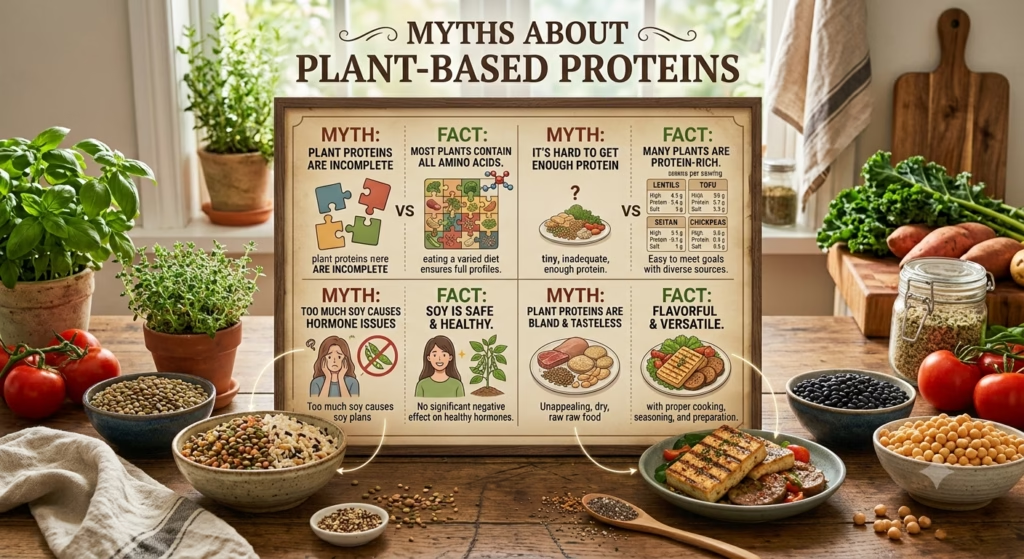
Common Myths About Plant-Based Protein
Myth 1: Plant protein is incomplete.
Fact: All plant proteins contain amino acids. Eating a variety of plant foods throughout the day provides adequate essential amino acids for most people.
Myth 2: You cannot build muscle.
Fact: Adequate total protein intake combined with strength training supports muscle growth on plant-based diets, though some people may need larger servings.
Myth 3: Plant protein is only for vegetarians.
Fact: Anyone can benefit by replacing some animal protein with plant protein.
Myth 4: Plant protein is expensive.
Fact: Lentils, beans, chickpeas, soybeans, and peanuts are among the most affordable protein-rich foods available.
Easy Ways to Eat More Plant Protein
- Add lentils to soups and curries.
- Replace one meat meal each week with beans or chickpeas.
- Include tofu or tempeh in stir-fries.
- Sprinkle pumpkin or chia seeds on yogurt or salads.
- Snack on roasted chickpeas or peanuts.
- Add soy milk to smoothies.
- Choose whole grains instead of refined grains.
Who Should Pay Extra Attention?
Some groups should plan their protein intake more carefully:
- Older adults
- Athletes
- Pregnant and breastfeeding women
- Children following vegan diets
- People recovering from surgery or illness
A registered dietitian can help ensure adequate intake of protein, vitamin B12, iron, calcium, zinc, iodine, and omega-3 fats.
Final Thoughts
Plant-based protein is much more than a nutrition trend. It is a practical, affordable, and evidence-based way to improve overall health while supporting environmental sustainability.
You don’t have to eliminate meat completely to enjoy its benefits.
Even replacing a few animal-based meals each week with protein-rich plant foods can improve diet quality and help reduce the risk of chronic diseases.
The key is simple: eat a variety of protein-rich plant foods, meet your daily protein needs, and combine good nutrition with an active lifestyle.
In This Article :
Frequently Asked Questions (FAQs)
1. What is plant-based protein?
Plant-based protein is protein obtained from foods such as lentils, beans, chickpeas, soy products, nuts, seeds, and whole grains. It provides essential amino acids that support muscle growth, tissue repair, and overall health.
2. Is plant-based protein healthy?
Yes. Plant-based protein is generally considered healthy because it often comes with fiber, vitamins, minerals, and antioxidants. Studies suggest that replacing some animal protein with plant protein may lower the risk of heart disease, type 2 diabetes, and other chronic conditions.
3. Can plant-based protein help build muscle?
Yes. Plant-based protein can support muscle growth when you consume enough total protein and follow a regular strength-training program. Soy foods, lentils, beans, and pea protein are excellent choices for muscle development.
4. Which foods are the best sources of plant-based protein?
Some of the best sources include soybeans, tofu, tempeh, edamame, lentils, chickpeas, kidney beans, black beans, quinoa, green peas, chia seeds, pumpkin seeds, hemp seeds, almonds, and peanuts.
5. How much plant-based protein should I eat each day?
Most healthy adults need at least 0.8 grams of protein per kilogram of body weight per day. Athletes, older adults, pregnant women, and people recovering from illness may require higher amounts.
6. Is plant-based protein better than animal protein?
Both can provide high-quality protein. However, plant-based protein is usually lower in saturated fat and higher in fiber, making it a heart-friendly choice. The best option depends on your overall diet, health goals, and nutritional needs.
7. Do I need to combine different plant proteins in one meal?
No. Current research shows that eating a variety of protein-rich plant foods throughout the day is enough for most people to get all the essential amino acids their body needs.
8. Can plant-based protein help with weight loss?
Yes. Many plant protein foods are rich in fiber and help you feel full for longer, which may reduce overall calorie intake and support healthy weight management when combined with regular physical activity.
9. Are plant-based proteins suitable for people with diabetes?
Yes. Beans, lentils, chickpeas, and soy products have a low glycemic index and are high in fiber, which can help improve blood sugar control as part of a balanced diet.
10. Can children and older adults eat plant-based protein?
Yes. Plant-based protein can meet the nutritional needs of children and older adults when meals are well planned and include a variety of protein-rich foods. Older adults may need slightly more protein to maintain muscle mass.
11. Does plant-based protein contain all essential amino acids?
Some plant foods, such as soy, quinoa, and buckwheat, are complete proteins. Even if individual foods are lower in certain amino acids, eating a variety of plant-based foods throughout the day provides all the essential amino acids your body requires.
12. Are there any side effects of eating too much plant-based protein?
Plant-based protein is generally safe for most people. However, suddenly increasing your intake of beans and legumes may cause temporary bloating or gas. Gradually increasing fiber intake and drinking enough water can help reduce these symptoms.
SOURCES
- World Health Organization (WHO) : Plant-based diets and their impact on health, sustainability and the environment: a review of the evidence
- Harvard T.H. Chan School of Public Health
- Academy of Nutrition and Dietetics
- National Institutes of Health (NIH)
- British Dietetic Association
- Food and Agriculture Organization (FAO)
We have a very strict reviewing guidelines on how to run every article in the website. Everything we write follow a very strict reviewing process by following high quality peer-reviewed studies. Every source we follow are credible and accurate and again reviewed by our doctors to give you all high quality advise and content.For the latest health trending topics and top of the line updated health and fitness related news and conditions with insights from board certified experienced health professionals, follow Healing Doctor on Facebook, Instagram and Whatsapp.