

Medically reviewed by Dr Itender Pal Singh
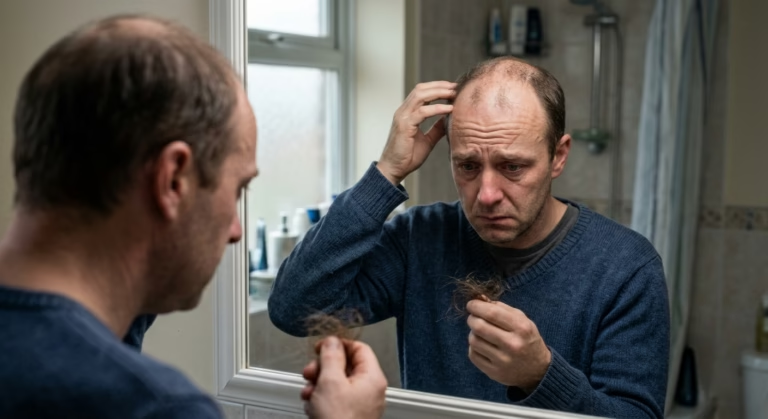
Finding a few strands of hair on your pillow or in the shower is completely normal. In fact, most healthy adults naturally lose 50 to 100 hairs every day, according to the American Academy of Dermatology (AAD). Since the average scalp contains nearly 100,000 hair follicles, this daily shedding usually goes unnoticed because new hair replaces the old.
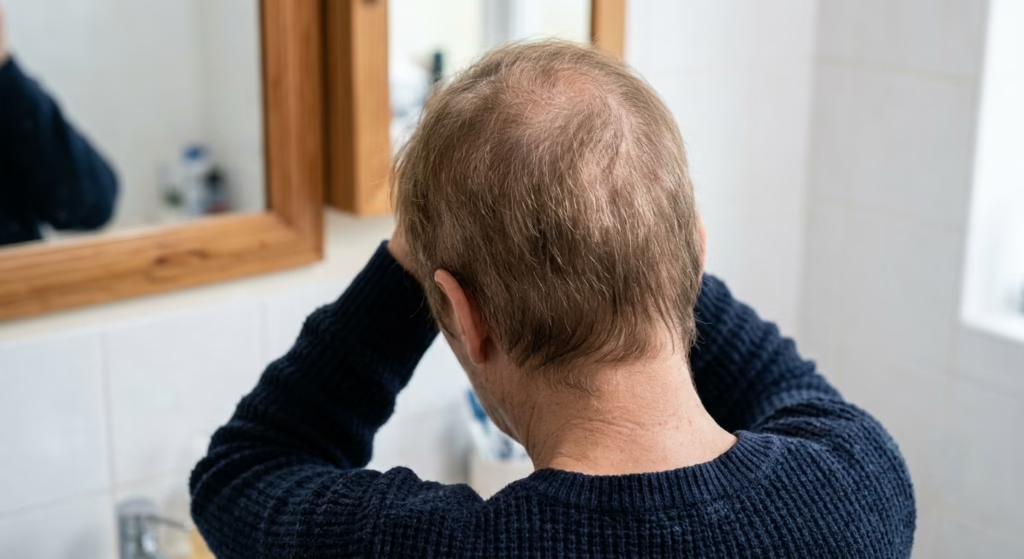
However, when hair loss starts i.e when starts falling faster than it grows back, the problem becomes much more noticeable. You may begin seeing a wider part, more hair on your comb, a receding hairline, or even bald patches. While some forms of hair loss are temporary and treatable, others can become permanent if left untreated.
The encouraging news is that early diagnosis often improves the chances of slowing, stopping, or even reversing certain types of hair loss. Understanding the cause is the first and most important step toward effective treatment.
In This Article :-
Why Hair Loss Happens: Understanding the Problem Before It Gets Worse
Hair Loss Affects Millions Every Year
Hair loss, medically known as alopecia, is one of the most common concerns seen by dermatologists worldwide. Although it is often associated with ageing, it can affect men, women, teenagers, and even children.
For some people, hair thinning develops gradually over several years. Others may experience sudden shedding after illness, emotional stress, childbirth, surgery, or certain medications.
Beyond the physical changes, hair loss often affects self-confidence, social interactions, and emotional well-being.
Hair Loss Is More Than a Cosmetic Issue
Many people ignore excessive hair shedding, believing it is only temporary. Unfortunately, delaying medical evaluation can reduce treatment success, especially when hair follicles become permanently damaged.
Consider this common scenario:
A Simple Delay That Led to Significant Hair Thinning
A 34-year-old office worker noticed increasing hair fall after recovering from a severe viral infection. Initially, he assumed it would stop naturally. Over the next six months, his hairline continued to recede while the crown became noticeably thinner. When he finally visited a dermatologist, he was diagnosed with early androgenetic alopecia combined with stress-related telogen effluvium.
After beginning medical treatment, improving his nutrition, and reducing stress, his hair shedding gradually decreased over several months. While some hair density returned, his dermatologist explained that earlier treatment might have preserved even more hair.
This example highlights why identifying the underlying cause quickly can make a meaningful difference.
Early Recognition Gives You More Treatment Options
Hair loss is not a single disease. It is a symptom that can result from genetics, hormonal changes, autoimmune disorders, nutritional deficiencies, infections, medications, or physical damage to the hair.
The earlier the cause is identified, the more treatment options may be available.
What Is Considered Normal Hair Fall?
Not every strand that falls out is a reason to worry.
Hair grows in repeating cycles consisting of three main phases:
1. Anagen (Growth Phase)
This active growth stage lasts between 2 and 7 years, during which the hair continues to lengthen.
2. Catagen (Transition Phase)
This short phase lasts only a few weeks as the hair follicle prepares to rest.
3. Telogen (Resting Phase)
During this stage, older hairs naturally shed and are replaced by new ones.
Because different hairs are in different phases at any given time, losing 50–100 hairs daily is considered normal.
Early Warning Signs of Hair Fall You Should Never Ignore
Hair loss rarely begins with complete baldness. Instead, it usually develops gradually.
Watch for these warning signs:
1. Your Hair Part Appears Wider
If your scalp becomes more visible where you normally part your hair, thinning may already be occurring.
2. A Receding Hairline
Men often notice their forehead becoming larger or an “M-shaped” hairline developing. Women may also notice gradual recession around the temples.
3. More Hair on Your Pillow, Brush or Shower Drain
Occasional shedding is expected. However, consistently finding large amounts of hair while washing or brushing should not be ignored.
4. Visible Bald Patches
Round or irregular bald patches may develop suddenly, particularly in autoimmune hair loss conditions.
5. Itching, Burning or Pain on the Scalp
Hair loss accompanied by scalp discomfort may indicate infection, inflammation, or certain skin diseases requiring medical treatment.
6. Hair Becoming Noticeably Thinner
Many people first notice that ponytails become smaller or hairstyles no longer look as full as before.
The Most Common Causes of Hair Loss
Hair fall is not always hereditary. Multiple medical and lifestyle factors can contribute.
1. Genetic Hair Loss (Androgenetic Alopecia)
This is the most common cause of hair loss worldwide, affecting up to 50% of men and women during their lifetime.
It develops gradually due to inherited sensitivity of hair follicles to hormones known as androgens.
In Men
- Receding hairline
- Thinning at the crown
- “M”-shaped pattern
- Progressive baldness over time
In Women
- Diffuse thinning across the scalp
- Widening hair part
- Hairline usually remains intact
- Often becomes more noticeable after menopause
Although genetics cannot be changed, early treatment can often slow progression.
2. Alopecia Areata: When the Immune System Attacks Hair
Alopecia areata is an autoimmune disorder in which the body’s immune system mistakenly attacks healthy hair follicles.
This causes:
- Smooth round bald patches
- Hair loss on the scalp
- Loss of eyebrows
- Loss of eyelashes
- Occasionally, complete body hair loss
The condition may develop suddenly and often requires evaluation by a dermatologist.
3. Stress-Related Hair Loss (Telogen Effluvium)
One of the most overlooked causes of sudden hair shedding is telogen effluvium.
Major physical or emotional stress pushes many hair follicles into the resting phase at the same time.
Hair shedding usually begins 2–3 months after the triggering event.
Common triggers include:
- Severe emotional stress
- Major surgery
- High fever
- COVID-19 infection
- Childbirth
- Rapid weight loss
- Crash dieting
- Serious illness
- Hospitalization
Fortunately, this type of hair loss often improves once the underlying trigger has resolved.
4. Chemotherapy-Related Hair Loss (Anagen Effluvium)
Cancer treatments such as chemotherapy and radiation target rapidly dividing cells, including hair follicles.
Hair loss often develops within weeks of treatment.
Although distressing, hair usually begins growing again after therapy ends, though the colour or texture may temporarily change.
5. Hormonal Changes That Trigger Hair Shedding
Hormones play a major role in regulating hair growth.
Temporary or long-term hormonal fluctuations may occur because of:
- Pregnancy
- Childbirth
- Menopause
- Thyroid disorders
- Polycystic ovary syndrome (PCOS), now also referred to in some literature as polyendocrine metabolic ovarian syndrome (PMOS)
- Starting or stopping hormonal contraceptives
Correcting hormonal imbalance often improves hair growth over time.
6. Nutritional Deficiencies Can Weaken Hair Growth
Hair follicles require a continuous supply of nutrients to produce healthy hair.
Deficiencies commonly linked with increased hair shedding include:
- Iron deficiency
- Vitamin D deficiency
- Vitamin B12 deficiency
- Folate deficiency
- Protein deficiency
- Zinc deficiency
Crash diets and severe calorie restriction are common but often overlooked contributors to temporary hair loss.
Hair Loss Treatments That Actually Work: Diagnosis, Prevention, and When to See a Doctor
If you’re experiencing ongoing hair fall, the most important step is identifying why it’s happening. Hair thinning is a symptom—not a disease itself. While some causes are temporary and resolve on their own, others require medical treatment to prevent permanent hair loss.
Understanding the cause allows your healthcare provider to recommend the most effective treatment plan.
Less Common Causes of Hair Loss You Should Know About
Although genetic and stress-related hair fall are the most common, several other conditions can also damage hair follicles.
1. Scalp Ringworm (Tinea Capitis)
Despite its name, ringworm is not caused by worms. It is a fungal infection that affects the scalp and hair shafts.
It is more common in children but can also affect adults.
Symptoms may include:
- Round, scaly bald patches
- Itchy scalp
- Broken hairs that snap close to the scalp
- Tenderness or swelling
- Pus-filled swollen areas (kerion) in severe cases
Without timely treatment, the infection may cause scarring, which can permanently damage hair follicles.
Fortunately, antifungal medications are highly effective when treatment begins early.
2. Traction Alopecia
Traction alopecia develops when hair is repeatedly pulled under tension over a long period.
Common causes include:
- Tight ponytails
- Braids
- Cornrows
- Tight buns
- Hair extensions
- Certain religious or cultural hairstyles
Initially, hair loss may be reversible. However, continuous pulling can permanently damage hair follicles.
Choosing looser hairstyles and reducing constant tension can significantly lower the risk.
3. Medication-Induced Hair Loss
Some medicines may interfere with the normal hair growth cycle.
Examples include:
- Blood thinners (anticoagulants)
- Certain seizure medications
- Some thyroid medications
- Oral retinoids
- Beta-blockers
- Chemotherapy drugs
Never stop prescribed medication without discussing alternatives with your healthcare provider.
How Doctors Diagnose Hair Loss
Since hair loss has many possible causes, diagnosis often involves several steps rather than a single test.
A dermatologist or healthcare professional will usually begin with a detailed medical history.
You may be asked about:
- When the hair loss started
- Whether it appeared suddenly or gradually
- Recent illnesses
- Emotional stress
- Major surgery
- Pregnancy or menopause
- Current medications
- Family history of baldness
- Hair care practices
- Diet and recent weight changes
These details often provide valuable clues about the underlying cause.
Physical Examination
The doctor carefully examines:
- Hair density
- Hairline pattern
- Bald patches
- Scalp condition
- Hair shaft strength
- Signs of inflammation or infection
This examination helps determine whether the hair follicles remain healthy or have been permanently damaged.
Blood Tests
Depending on your symptoms, blood tests may be recommended to identify conditions contributing to hair loss.
These may include tests for:
- Iron deficiency
- Vitamin B12
- Vitamin D
- Thyroid function
- Hormonal imbalance
- Autoimmune diseases
Correcting these medical problems often improves hair growth.
Scalp Biopsy
If the diagnosis remains uncertain, a dermatologist may remove a very small sample of scalp skin under local anesthesia.
The tissue is examined under a microscope to determine whether inflammation, infection, or autoimmune disease is affecting the hair follicles.
Although the procedure sounds intimidating, it is usually quick and performed in an outpatient setting.
Treatment Options for Hair Loss
There is no single treatment that works for everyone.
The best option depends entirely on the underlying cause.
1. Minoxidil
Minoxidil is one of the most widely recommended treatments for androgenetic hair loss.
Available as a topical solution or foam, it works by prolonging the hair growth phase and improving blood flow around hair follicles.
Important points
- Available over the counter in many countries
- Suitable for both men and women (strength may differ)
- Requires consistent daily use
- Visible improvement often takes 3 to 6 months
- Hair loss may resume if treatment is discontinued
Patience is important, as hair growth is naturally slow.
2. Finasteride
Finasteride is a prescription medication primarily used for male pattern hair loss.
It reduces the conversion of testosterone into dihydrotestosterone (DHT), the hormone largely responsible for shrinking hair follicles in genetically susceptible men.
Clinical studies have shown that finasteride can significantly slow hair loss and improve hair density in many patients.
However, it should only be taken under medical supervision because it may cause side effects and is generally not recommended during pregnancy.
3. Corticosteroids
When hair loss is caused by autoimmune conditions such as alopecia areata, corticosteroids may help reduce inflammation around hair follicles.
They may be given as:
- Creams
- Lotions
- Oral medicines
- Injections directly into bald patches
Treatment plans vary depending on disease severity.
4. Platelet-Rich Plasma (PRP) Therapy
PRP therapy has attracted increasing attention in recent years.
During the procedure:
- A small amount of the patient’s blood is collected.
- Platelets are concentrated using a centrifuge.
- The platelet-rich plasma is injected into the scalp.
Growth factors released by platelets may stimulate inactive hair follicles.
Although many patients report improvement, research is still ongoing to determine the long-term effectiveness.
5. Low-Level Laser Therapy (LLLT)
Low-level laser devices are designed to stimulate hair follicles using light energy.
Some clinical studies suggest they may improve hair density in people with androgenetic alopecia, particularly when combined with other treatments.
However, results vary from person to person.
6. Microneedling
Microneedling uses tiny sterile needles to create controlled micro-injuries in the scalp.
This process may stimulate natural healing pathways and improve absorption of topical medications such as minoxidil.
Research continues to evaluate the best treatment schedules and long-term benefits.
Hair Transplant Surgery
For people with stable genetic hair loss, hair transplantation may provide long-lasting improvement.
During the procedure, healthy hair follicles are moved from the back or sides of the scalp to thinning or bald areas.
Modern techniques produce natural-looking results when performed by experienced surgeons.
Who benefits most?
Hair transplantation is generally most successful for:
- Male pattern baldness
- Female pattern hair loss with stable donor hair
- Individuals with adequate healthy hair at the back of the scalp
People with scarring alopecia or widespread autoimmune hair loss may not be suitable candidates.
Some patients require more than one procedure over time as natural hair loss continues.
Can Hair Loss Be Prevented?
Not every type of hair loss can be prevented, particularly hereditary conditions.
However, healthy hair care habits can reduce unnecessary damage.
Protect Your Hair by Following These Tips
Avoid Tight Hairstyles
Constant pulling weakens hair follicles.
Choose loose hairstyles whenever possible.
Handle Wet Hair Gently
Wet hair breaks more easily.
Instead of rubbing your hair vigorously with a towel, gently pat it dry.
Limit Heat Styling
Frequent use of:
- Hair dryers
- Straighteners
- Curling irons
- Heated combs
can weaken hair shafts over time.
Use the lowest effective heat setting whenever possible.
Reduce Chemical Damage
Repeated exposure to:
- Hair bleach
- Permanent hair dyes
- Relaxers
- Perming chemicals
may damage both the hair shaft and scalp.
Whenever possible, space out chemical treatments and follow proper aftercare.
Eat a Balanced Diet
Healthy hair requires adequate nutrition.
Include foods rich in:
- Lean protein
- Iron
- Zinc
- Vitamin C
- Vitamin D
- B vitamins
- Healthy fats
A balanced diet supports normal hair growth and overall health.
Use Mild Hair Products
If you’re experiencing active hair shedding, consider switching to gentle shampoos suitable for sensitive scalps.
Avoid excessive washing if your scalp is not oily, as overwashing may increase dryness and breakage.
When Should You See a Doctor?
Many people wait months before seeking medical advice, hoping hair growth will return naturally.
However, early evaluation often leads to better outcomes.
Consult a healthcare professional if you notice:
- Rapid or excessive hair shedding
- Bald patches
- Receding hairline
- Sudden thinning
- Scalp pain or itching
- Hair loss after illness or childbirth that continues for several months
- Hair loss accompanied by fatigue, weight loss, skin rashes, fever, or other unusual symptoms
Prompt diagnosis helps identify treatable medical conditions before permanent hair follicle damage occurs.
Frequently Asked Questions (FAQs) About Hair Loss
1. Which vitamins are important for healthy hair growth?
Vitamins and minerals play an important role in maintaining healthy hair follicles. However, supplements are most beneficial when a deficiency is present. Taking large doses without medical advice is unlikely to improve hair growth and, in some cases, may even worsen hair loss.
Some nutrients commonly associated with healthy hair include:
- Biotin (Vitamin B7): Helps support normal hair health, although true biotin deficiency is uncommon.
- Vitamin B12: Essential for red blood cell production and oxygen delivery to hair follicles.
- Folate (Vitamin B9): Supports healthy cell growth.
- Vitamin D: Low vitamin D levels have been linked with certain types of hair loss in some studies.
- Vitamin C: Helps the body absorb iron and supports collagen production.
- Iron: Iron deficiency is one of the most common nutritional causes of hair shedding, especially in women.
- Zinc: Supports normal tissue growth and repair.
- Protein: Hair is primarily made of keratin, a protein that requires adequate dietary intake.
Before starting supplements, consult a healthcare professional to determine whether a nutritional deficiency is actually present.
2. Can Stress Really Cause Hair Loss?
Yes. Severe emotional or physical stress can trigger telogen effluvium, a condition in which a large number of hair follicles enter the resting phase prematurely.
Common triggers include:
- Major surgery
- High fever
- Serious infections
- Emotional trauma
- Childbirth
- Rapid weight loss
- Severe illness
Hair shedding often begins two to three months after the stressful event and usually improves once the body recovers.
3. Which Medical Conditions Can Lead to Hair Loss?
Hair loss may sometimes be the first sign of an underlying medical condition.
Conditions associated with hair loss include:
- Thyroid disorders
- Alopecia areata
- Iron deficiency anemia
- Vitamin deficiencies
- Scalp psoriasis
- Fungal scalp infections (Tinea capitis)
- Polycystic ovary syndrome (PCOS)
- Certain autoimmune diseases
- Syphilis and other infections (less common)
Identifying and treating the underlying illness often helps improve hair growth.
4. Can Hair Loss Be Reversed?
The answer depends on the cause.
Hair loss caused by temporary factors—such as stress, childbirth, nutritional deficiencies, or certain medications—often improves after the underlying issue is corrected.
However, conditions that permanently damage hair follicles, such as some forms of scarring alopecia, may not be reversible. Genetic hair loss can usually be slowed with treatment, but delaying treatment may reduce the chance of regrowth.
5. Does Washing Your Hair Every Day Cause Hair Loss?
No. Washing your hair does not cause hair loss.
Many people notice more hair in the shower simply because loose hairs that were already ready to shed are washed away at the same time.
Using harsh shampoos or excessive heat during styling can increase breakage, but normal shampooing does not damage healthy hair follicles.
6. Is Hair Transplant Surgery Permanent?
Hair transplant surgery provides long-lasting results because transplanted follicles are usually resistant to the hormonal effects that cause pattern baldness.
However, existing natural hair may continue to thin over time. For this reason, many patients continue using medications such as minoxidil or finasteride after surgery to preserve surrounding hair.
7. When Should You Seek Immediate Medical Advice?
Hair loss should be evaluated promptly if it is accompanied by:
- Rapid or sudden bald patches
- Severe scalp pain or swelling
- Fever or signs of infection
- Significant weight loss
- Extreme fatigue
- Skin rashes
- Hair loss in children
- Hair loss after starting a new medication
Early diagnosis improves the chances of successful treatment.
Key Takeaways
Hair loss is a common condition, but it should never be ignored when shedding becomes excessive or hair starts thinning noticeably. While losing 50 to 100 hairs each day is considered normal, persistent hair fall, widening hair parts, receding hairlines, or bald patches may signal an underlying medical condition.
Fortunately, many types of hair loss can be managed successfully when diagnosed early. Whether the cause is genetics, hormonal changes, stress, nutritional deficiencies, autoimmune disease, or scalp infection, identifying the root cause is the foundation of effective treatment.
Modern treatment options—including topical medications, prescription therapies, platelet-rich plasma (PRP), low-level laser therapy, microneedling, and hair transplant surgery—have expanded the possibilities for restoring hair growth in suitable candidates.
Just as importantly, maintaining a balanced diet, avoiding excessive heat and chemical treatments, and seeking medical advice without delay can help protect your hair for years to come.
Final Thoughts
Hair loss affects millions of people worldwide, but it does not have to become a permanent part of life. Every strand of hair tells a story about your overall health, hormones, nutrition, and lifestyle.
Instead of relying on internet myths or delaying treatment, speak with a qualified healthcare professional or dermatologist if you notice persistent hair thinning. Early diagnosis not only increases the likelihood of successful treatment but can also uncover hidden health conditions that deserve medical attention.
Healthy hair begins with healthy habits—and the right diagnosis at the right time.
Sources :-
- American Academy of Dermatology (AAD). Hair Loss: Overview
- American Academy of Dermatology (AAD). Do You Have Hair Loss or Shedding?
- National Institute of Arthritis and Musculoskeletal and Skin Diseases (NIAMS). Hair Loss (Alopecia Areata)
- Mayo Clinic. Hair Loss – Symptoms and Causes
- Mayo Clinic. Alopecia Areata
- NHS. Hair Loss
- MedlinePlus. Hair Loss
- MSD Manual Consumer Version. Hair Loss
- Cleveland Clinic. Hair Loss (Alopecia)
- National Library of Medicine (PubMed). Androgenetic Alopecia: Current Treatment Concepts
- National Library of Medicine (PubMed). Telogen Effluvium: A Review
- National Library of Medicine (PubMed). Alopecia Areata: Pathogenesis and Treatment
We have a very strict reviewing guidelines on how to run every article in the website. Everything we write follow a very strict reviewing process by following high quality peer-reviewed studies. Every source we follow are credible and accurate and again reviewed by our doctors to give you all high quality advise and content.
For the latest health trending topics and top of the line updated health and fitness related news and conditions with insights from board certified experienced health professionals, follow Healing Doctor on Facebook, Instagram and Whatsapp.