
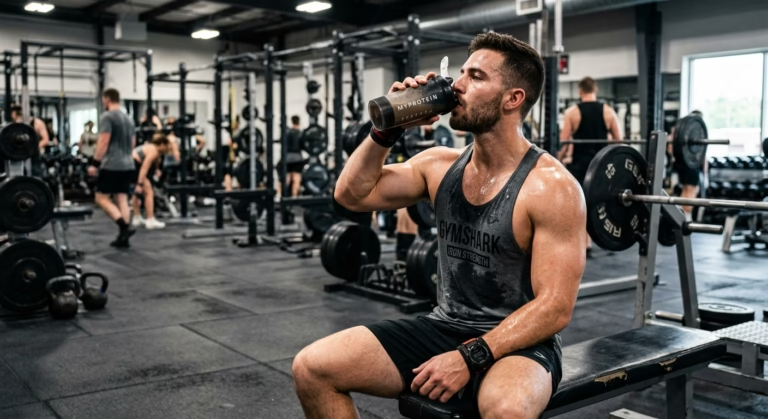

For years, the standard advice has been simple: consume around 0.8 grams of protein per kilogram of body weight (g/kg/day) to stay healthy. This recommendation has shaped nutrition guidelines across the world and has been considered sufficient for the average adult.
But what if that amount only prevents protein deficiency—and doesn’t help you stay stronger, healthier, and more independent as you age?
A growing body of research suggests that current protein intake recommendations may not be enough for people who want to maintain muscle mass, improve metabolism, support bone health, or increase their chances of healthy aging.
A new 2026 perspective paper published in Frontiers in Nutrition argues that public health guidelines should shift from preventing disease to optimizing long-term health. Researchers suggest that many adults—especially those who are physically active or getting older—may benefit from significantly higher protein intake than current recommendations.
Could increasing your protein intake really improve your long-term health? Here’s what the latest evidence tells us.
In This Article:-
Current Protein Intake Recommendations Were Never Designed for Longetivity
The Recommended Dietary Allowance (RDA) for protein is currently 0.8 g/kg/day (approximately 0.36 g per pound of body weight).
While this recommendation helps prevent protein deficiency in healthy adults, nutrition experts say it was never intended to maximize muscle growth, metabolic health, or healthy aging.
According to Dr. Chris Macdonald, Fellow and Lab Director at Lucy Cavendish College, University of Cambridge, public health advice has historically focused on avoiding nutrient deficiencies rather than helping people achieve their best possible health throughout life.
As life expectancy continues to increase worldwide, maintaining muscle strength, mobility, and independence has become just as important as preventing disease.
Researchers believe nutrition recommendations should evolve to reflect these changing health priorities.
Why Protein Intake Becomes More Important As You Age
One of the biggest changes that occurs with aging is the gradual loss of muscle mass, known as sarcopenia.
Studies estimate that adults begin losing 3% to 8% of their muscle mass per decade after the age of 30, with the rate increasing after age 60. Loss of muscle doesn’t just affect strength—it also influences balance, metabolism, bone health, and the ability to perform daily activities.
Protein provides the amino acids needed to repair and build muscle tissue. Without enough dietary protein, the body struggles to maintain lean muscle mass, particularly in older adults.
Research has linked adequate protein intake with:
- Better muscle preservation
- Improved recovery after exercise
- Greater physical function
- Lower risk of falls and fractures
- Better weight management
- Improved satiety (feeling full)
- Healthier aging
These benefits become even stronger when protein intake is combined with regular resistance exercise.
New Research Challenges Traditional Protein Advice
The new Frontiers in Nutrition paper suggests that some adults may safely consume protein levels approaching 1 gram per pound of body weight (about 2.2 g/kg/day)—nearly double the current minimum recommendation.
However, experts emphasize that this is not a universal recommendation.
Instead, protein requirements should be personalized according to:
- Age
- Body weight
- Physical activity
- Medical conditions
- Pregnancy status
- Weight-loss goals
- Muscle-building goals
Rather than following a single number for everyone, researchers believe individualized protein targets may produce better long-term health outcomes.
Who May Benefit From Eating More Protein?
Although everyone requires protein intake, some groups appear to benefit more from higher daily intake.
1. Older Adults
As muscle-building efficiency declines with age, older adults often need more protein to maintain muscle strength and reduce frailty.
2. Physically Active Adults
Exercise creates microscopic muscle damage that requires protein for repair and growth. Active individuals generally require higher protein intake than sedentary adults.
3. People Trying to Lose Weight
Higher-protein diets help preserve lean muscle while reducing body fat. Protein also increases fullness, making it easier to maintain a calorie deficit.
4. People Taking GLP-1 Weight-Loss Medications
Medications such as semaglutide and tirzepatide reduce appetite, increasing the risk of inadequate protein intake and muscle loss during rapid weight reduction.
5. Pregnant Women
Protein plays an essential role in fetal growth and maternal tissue development, making adequate intake particularly important during pregnancy.
Why One Protein Intake Recommendation Doesn’t Work for Everyone
Registered dietitian Samantha Kirkpatrick shared a real-life example that highlights the importance of personalized nutrition.
She currently advises:
- A 14-year-old athlete who requires extra protein to support growth, recovery, and sports performance.
- A menopausal woman using GLP-1 medication who needs increased protein to preserve lean muscle while losing weight.
- An older man with a poor appetite who requires higher-quality protein despite eating fewer calories.
Each person has completely different nutritional needs—even though protein is important for all of them.
This practical example demonstrates why many nutrition experts believe future dietary recommendations should become more individualized instead of relying on a single minimum recommendation for everyone.
Could You Be Missing Out on Long-Term Health Benefits?
Many people assume they’re getting enough protein simply because they aren’t deficient.
But preventing deficiency isn’t the same as optimizing health.
If your meals are low in protein, you may gradually lose muscle strength, recover more slowly from exercise, feel less satisfied after meals, and become more vulnerable to age-related muscle loss over time.
Combined with a sedentary lifestyle, inadequate protein intake may contribute to reduced mobility, poor metabolic health, and decreased quality of life later in adulthood.
Fortunately, improving protein intake doesn’t require extreme diets or expensive supplements. Small, consistent dietary changes—combined with regular physical activity—may make a meaningful difference over time.
How Much Protein Do You Really Need? Experts Explain the Best Daily Protein Intake
Now that we’ve explored why many experts believe current protein recommendations deserve a second look, the next question is obvious:
How much protein should you actually eat every day?
The answer depends on your age, activity level, overall health, and personal goals. While the minimum recommendation prevents deficiency, experts say many people can benefit from a higher intake.
Protein Recommendations: Minimum vs. Optimal
The current Recommended Dietary Allowance (RDA) for healthy adults is:
- 0.8 grams of protein per kilogram of body weight (0.36 g/lb)
However, many nutrition experts now recommend higher intakes for maintaining muscle mass, supporting metabolism, and promoting healthy aging.
| Individual | Suggested Daily Protein Intake |
|---|---|
| Healthy adults | 0.8 g/kg/day |
| Active adults | 1.2–1.6 g/kg/day |
| Older adults | 1.2–1.6 g/kg/day |
| Strength athletes | 1.6–2.2 g/kg/day |
| Weight-loss programs | 1.2–1.6 g/kg/day |
These values should always be adjusted based on personal medical conditions and advice from a healthcare professional.
Simple Protein Calculator
Here are a few examples using the commonly recommended 1.2–1.6 g/kg/day range for active adults.
- 60 kg adult: 72–96 g protein/day
- 70 kg adult: 84–112 g protein/day
- 80 kg adult: 96–128 g protein/day
- 90 kg adult: 108–144 g protein/day
Rather than consuming all your protein in one meal, experts recommend distributing it evenly throughout the day to improve muscle protein synthesis.
Can You Meet Your Protein Needs Without Supplements?
For most people, yes.
Registered dietitians agree that whole foods can provide all the protein most healthy adults need.
Whole-food protein sources also contain vitamins, minerals, healthy fats, antioxidants, and fiber that protein powders often lack.
Best Animal-Based Protein Sources
- Eggs
- Greek yogurt
- Cottage cheese
- Chicken breast
- Turkey
- Fish such as salmon and tuna
- Lean beef (in moderation)
- Milk
- Paneer
- Low-fat cheese
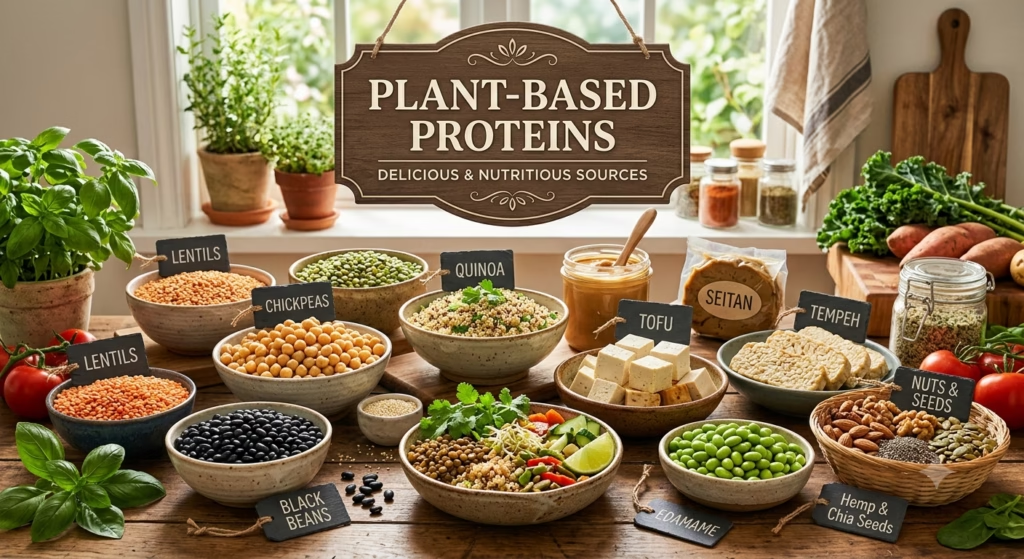
Best Plant-Based Protein Sources
- Lentils
- Chickpeas
- Kidney beans
- Black beans
- Soybeans
- Tofu
- Tempeh
- Edamame
- Quinoa
- Nuts and seeds
Plant proteins also provide fiber, which supports gut and heart health.
Sample One-Day High-Protein Meal Plan
Here’s an example of how someone can naturally reach around 100 grams of protein through food alone.
Breakfast
- Greek yogurt with berries and almonds
- Two boiled eggs
Protein: ~30 g
Mid-Morning Snack
- Apple with peanut butter
Protein: ~8 g
Lunch
- Grilled chicken breast
- Brown rice
- Mixed vegetables
- Salad
Protein: ~35 g
Evening Snack
- Roasted chickpeas
Protein: ~10 g
Dinner
- Lentil curry
- Whole wheat chapati
- Cottage cheese
- Mixed vegetables
Protein: ~25 g
Total: Approximately 108 grams of protein
This demonstrates that most healthy adults can achieve their protein goals without relying on supplements.
Do You Really Need Protein Powders?
Protein shakes are convenient, but they are not essential.
Experts suggest they may benefit:
- Athletes with high protein requirements
- Older adults with reduced appetite
- Individuals recovering after surgery
- People taking GLP-1 weight-loss medications
- Busy professionals who struggle to prepare balanced meals
For everyone else, whole foods should remain the primary protein source.
Can Eating Too Much Protein Harm Your Health?
Protein itself isn’t usually the problem.
The concern is what people stop eating when they focus only on protein.
A poorly planned high-protein diet may reduce intake of:
- Fruits
- Vegetables
- Whole grains
- Legumes
- Fiber-rich foods
Over time, this can lower intake of important nutrients such as:
- Vitamin C
- Folate
- Potassium
- Magnesium
- Dietary fiber
Experts recommend building balanced meals instead of replacing plant foods with protein alone.
Is a High-Protein Diet Bad for Your Kidneys?
One of the most common questions surrounding protein intake is whether it damages the kidneys.
Current evidence suggests:
For Healthy Adults
Research indicates protein intake up to 2 g/kg/day appears safe for people with healthy kidney function.
There is currently no strong evidence showing that moderate high-protein diets cause kidney disease in healthy individuals.
For People With Chronic Kidney Disease (CKD)
The situation is different.
Individuals with existing kidney disease should not increase protein intake without medical supervision.
Excess protein may place additional stress on damaged kidneys and accelerate disease progression.
Anyone with kidney disease should work closely with a nephrologist or registered dietitian before changing protein intake.
Does Eating More Protein Affect Heart Health?
The answer depends less on how much protein you eat and more on where it comes from.
Protein from:
- Fish
- Beans
- Lentils
- Soy products
- Skinless poultry
- Low-fat dairy
is consistently associated with healthier dietary patterns.
In contrast, regularly consuming large amounts of:
- Processed meats
- Bacon
- Sausages
- High-fat red meat
may increase cardiovascular risk.
Some studies suggest diets high in processed meat can raise levels of trimethylamine N-oxide (TMAO), a compound associated with an increased risk of heart disease.
Choosing healthier protein sources can help support both muscle health and cardiovascular health.
Your Gut Health Also Depends on Protein Quality
A high-protein diet isn’t automatically good—or bad—for your digestive system.
The deciding factor is whether your meals also contain enough fiber.
Plant-based foods such as beans, lentils, fruits, vegetables, and whole grains nourish beneficial gut bacteria and help maintain a healthy microbiome.
On the other hand, diets high in processed meats and low in fiber may promote gut imbalances and inflammation.
A simple strategy is to pair every protein-rich meal with colorful vegetables, fruits, or whole grains.
Myths vs. Facts About Protein
Myth: Everyone should eat twice as much protein.
Fact: Protein needs vary according to age, activity level, health conditions, and goals.
Myth: Protein powders are necessary.
Fact: Most people can meet their daily protein needs through whole foods.
Myth: High-protein diets automatically damage healthy kidneys.
Fact: Current evidence does not support this in healthy adults, but people with kidney disease require individualized advice.
Myth: All protein sources are equally healthy.
Fact: Lean proteins and plant-based proteins generally provide greater overall health benefits than processed meats.
Increasing protein intake can be beneficial—but only when it’s part of a balanced lifestyle.
Focus on high-quality protein sources, include plenty of fruits, vegetables, legumes, and whole grains, and spread protein intake across your meals rather than consuming it all at once.
Protein Alone Won’t Help You Live Longer—Exercise Is the Real Game Changer
Eating enough protein is important, but experts agree that it works best when paired with regular physical activity.
According to the research reviewed in Frontiers in Nutrition, resistance training and adequate protein intake work together to preserve muscle mass, improve strength, and support healthy aging.
Registered dietitian Samantha Kirkpatrick emphasizes that exercise is one of the strongest lifestyle factors linked to longevity. While protein provides the building blocks for muscle repair, physical activity gives your body the stimulus it needs to maintain and build muscle.
Research has consistently shown that regular exercise can:
- Improve cardiovascular health
- Reduce the risk of type 2 diabetes
- Preserve muscle mass and bone strength
- Improve balance and reduce falls in older adults
- Support brain health and memory
- Help maintain a healthy body weight
- Improve mood and mental well-being
For most adults, experts recommend combining:
- Resistance training: At least 2–3 sessions per week
- Aerobic activity: At least 150 minutes of moderate-intensity exercise each week
- Daily movement: Reduce prolonged sitting by walking, stretching, or staying physically active throughout the day.
How to Increase Your Protein Intake the Healthy Way
If you want to increase your daily protein intake, there’s no need for extreme diets or expensive supplements.
Instead, make gradual and sustainable changes.
Start Your Day With Protein
Rather than eating a breakfast high in refined carbohydrates, include foods such as eggs, Greek yogurt, paneer, tofu, or milk.
Include Protein in Every Meal
Aim to include a quality protein source with breakfast, lunch, dinner, and snacks. Distributing protein evenly throughout the day may support muscle protein synthesis more effectively than consuming most of it in one meal.
Choose Whole Foods First
Lean poultry, fish, eggs, legumes, soy products, dairy, nuts, and seeds provide protein along with vitamins, minerals, and other nutrients.
Don’t Forget Fruits and Vegetables
A balanced plate should include vegetables, fruits, whole grains, and healthy fats in addition to protein. This helps support heart health, digestive health, and overall nutrition.
Stay Hydrated
Adequate fluid intake supports normal kidney function and is especially important for physically active individuals and those consuming higher-protein diets.
Who Should Speak to a Healthcare Professional Before Increasing Protein Intake?
Although a moderate increase in protein is safe for most healthy adults, some people should seek personalized advice before making major dietary changes.
These include people with:
- Chronic kidney disease
- Advanced liver disease
- Certain metabolic disorders
- Special medical dietary requirements
- Pregnancy-related complications
A registered dietitian or healthcare professional can calculate an appropriate protein target based on your health, medications, activity level, and nutritional needs.
Key Takeaways
- Current protein recommendations were developed to prevent deficiency—not necessarily to optimize healthy aging.
- Many active adults, older adults, and people trying to lose weight may benefit from 1.2–1.6 g/kg/day, depending on individual circumstances.
- Whole foods should remain the primary source of protein for most people.
- Protein quality matters. Prioritize lean meats, fish, dairy, legumes, soy products, nuts, and seeds over processed meats.
- High-protein diets should still include plenty of fruits, vegetables, whole grains, and fiber-rich foods.
- Healthy adults generally tolerate moderate high-protein diets well, but people with kidney disease require individualized recommendations.
- Protein works best when combined with resistance training, regular exercise, adequate sleep, and an overall balanced diet.
Frequently Asked Questions (FAQs)
1. What is the recommended daily protein intake for healthy adults?
The Recommended Dietary Allowance (RDA) is 0.8 grams per kilogram of body weight per day, which prevents protein deficiency. Many experts recommend 1.2–1.6 g/kg/day for active adults and healthy aging.
2. Can eating more protein help with weight loss?
Yes. Protein promotes fullness, helps preserve lean muscle during calorie restriction, and supports fat loss when combined with regular exercise.
3. Is it safe to eat a high-protein diet every day?
For most healthy adults with normal kidney function, moderate high-protein diets are considered safe. Individuals with kidney disease should consult their healthcare provider before increasing protein intake.
4. Are protein shakes better than whole foods?
No. Protein shakes are convenient, but whole foods provide additional nutrients such as vitamins, minerals, healthy fats, and fiber.
5. Which foods are highest in protein?
Excellent choices include eggs, fish, chicken, Greek yogurt, cottage cheese, lentils, beans, tofu, tempeh, milk, paneer, nuts, and seeds.
6. Can older adults benefit from eating more protein?
Yes. Higher protein intake, combined with strength training, may help reduce age-related muscle loss and improve physical function.
7. Does eating too much protein damage healthy kidneys?
Current evidence does not show that moderate high-protein diets harm healthy kidneys. People with chronic kidney disease require individualized advice.
8. What is the healthiest source of protein?
A variety of lean animal proteins and plant-based proteins—including fish, poultry, legumes, soy foods, and low-fat dairy—supports overall health.
9. Is plant protein as effective as animal protein?
Both can contribute to meeting protein needs. Eating a variety of plant protein sources throughout the day helps provide all essential amino acids.
10. Is protein the only nutrient important for longevity?
No. Long-term health depends on an overall healthy lifestyle that includes balanced nutrition, regular exercise, sufficient sleep, stress management, avoiding tobacco, and limiting alcohol intake.
Final Thoughts
The conversation around protein is changing. While the current minimum recommendations remain appropriate for preventing deficiency, emerging research suggests that many adults may benefit from a more personalized approach—especially as they age or become more physically active.
However, eating more protein isn’t a shortcut to better health. The greatest benefits come from combining adequate protein intake with regular resistance exercise, nutrient-rich whole foods, quality sleep, and other healthy lifestyle habits.
Instead of asking whether everyone should double their protein intake, a better question may be:
“Am I eating enough protein for my age, lifestyle, and health goals?”
For many people, answering that question with the help of a healthcare professional or registered dietitian could be an important step toward healthier aging.
Sources :-
- Macdonald C. Frontiers in Nutrition. 2026. Perspective on protein intake and exercise recommendations.
- World Health Organization (WHO). Protein and Amino Acid Requirements in Human Nutrition.
- National Institutes of Health (NIH), Office of Dietary Supplements. Protein Fact Sheet.
- International Society of Sports Nutrition (ISSN). Position Stand: Protein and Exercise.
- Academy of Nutrition and Dietetics. Protein Needs Across the Lifespan.
- Harvard T.H. Chan School of Public Health. The Nutrition Source: Protein.
- Dietary Guidelines for Americans, 2025–2030.
We have a very strict reviewing guidelines on how to run every article in the website. Everything we write follow a very strict reviewing process by following high quality peer-reviewed studies. Every source we follow are credible and accurate and again reviewed by our doctors to give you all high quality advise and content.
For the latest health trending topics and top of the line updated health and fitness related news and conditions with insights from board certified experienced health professionals, follow Healing Doctor on Facebook, Instagram and Whatsapp.