
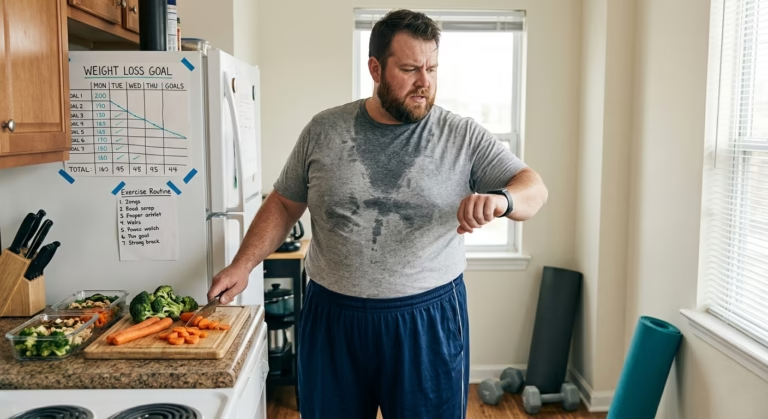

You decide it’s time to lose weight.
You cut your meals, skip carbohydrates, spend hours exercising and promise yourself that you will follow the strictest diet possible.
Then something happens.
You’re hungry all the time. Your energy drops. Cravings become harder to control. The number on the weighing scale may fall initially, but maintaining those results becomes difficult.
This is where many people make a mistake: they focus entirely on how quickly they can lose weight rather than how they can lose excess body fat while building habits they can actually maintain.
Healthy weight management is not about starving yourself or eliminating entire food groups. It is about creating a sustainable eating pattern, moving regularly, getting adequate sleep and managing the factors that influence appetite and body weight.
The CDC notes that people who lose weight gradually—around 1–2 pounds (0.45–0.9 kg) per week—are more likely to keep it off than those who lose it faster.
So, if you’re looking for realistic weight loss, forget the crash diet mentality.
Let’s look at what actually works.
In This Article:-
The Weight Loss Trap: Why Trying to Lose Weight Too Quickly Can Backfire
The promise sounds attractive:
“Lose 10 pounds in 7 days!”
But your body doesn’t work according to marketing headlines.
A rapid drop on the scale during the first days of a diet may partly reflect changes in water and stored carbohydrate rather than pure body-fat loss. As the initial water change settles, progress usually becomes slower.
Trying to force the process by eating extremely little can also make the diet difficult to sustain.
The goal should therefore be consistent progress rather than the fastest possible number on the scale.
The CDC recommends gradual weight reduction of approximately 1–2 pounds per week for people working toward healthy weight loss.
10 Practical Ways to Support Healthy Weight Loss
1. Start With Your Plate—Not a Fad Diet
You don’t necessarily need to follow a complicated diet plan.
Instead, build meals around nutritious foods that help you feel satisfied.
A balanced meal can include:
- A protein source
- Plenty of vegetables
- Whole grains or other complex carbohydrates
- A moderate amount of healthy fat
- Fruit when appropriate
- Water or another low-calorie beverage
Protein can be particularly useful because it helps maintain muscle while you reduce your overall calorie intake and may help you feel fuller.
Examples include:
- Eggs
- Fish
- Chicken
- Greek yogurt
- Beans
- Lentils
- Soy foods
- Nuts and seeds
NIDDK recommends a healthy eating pattern that includes vegetables, whole fruits, whole grains and protein-rich foods such as seafood, lean meats, beans, peas, lentils, nuts and seeds.
The goal isn’t to create a perfect plate every single day.
The goal is to create a pattern you can repeat for weight loss journey.
2. Don’t Fear Carbohydrates—Choose Better Sources
One of the biggest diet myths is that all carbohydrates automatically prevent weight loss.
That’s not the case.
Carbohydrates are found in fruits, vegetables, legumes, grains and many other foods.
Instead of eliminating carbohydrates completely, pay attention to food quality and portions for weight loss.
Better choices can include:
- Oats
- Brown rice
- Whole-grain bread
- Quinoa
- Beans
- Lentils
- Fruits
- Vegetables
Highly processed foods can make it easier to consume large amounts of calories without feeling satisfied for long.
A sustainable eating pattern is more useful than labeling an entire nutrient group as “bad” in weight loss journey.
3. Eat More Fiber to Stay Full Longer
If hunger is constantly attacking your diet, your food choices may need more fiber.
Fiber moves relatively slowly through the digestive system and can help increase feelings of fullness.
Good sources include:
- Oats
- Beans
- Lentils
- Chickpeas
- Fruits
- Vegetables
- Whole grains
- Seeds
For example, oats provide about 10.4 grams of fiber per 100 grams, according to food-composition data cited in the source article.
Instead of searching for a “fat-burning” food, focus on foods that make your meals more satisfying.
That simple change can make your eating plan easier to follow in weight loss journey.
4. Add Exercise—but Don’t Try to Punish Yourself
Exercise matters, but you don’t need to turn every workout into punishment for what you ate.
Walking, cycling, swimming, jogging, dancing and resistance training can all contribute to a healthier lifestyle.
The U.S. physical activity guidelines recommend adults get at least 150 minutes of moderate-intensity aerobic activity each week, along with muscle-strengthening activities on at least 2 days per week.
If you’re currently inactive, don’t feel pressured to suddenly exercise for an hour every day.
Start where you are.
For example:
Week 1: 15–20 minute walks
Week 2: Increase walking time
Week 3: Add simple resistance exercises
Week 4: Gradually increase intensity or duration
Consistency beats one exhausting workout followed by five inactive days in weight loss journey.
5. Strength Training Can Help Protect Muscle
When people think about weight loss, they often focus only on the scale.
But body composition matters too.
Resistance training can help maintain muscle mass while you’re reducing body weight.
You don’t necessarily need an expensive gym membership.
Depending on your fitness level, you can use:
- Body-weight squats
- Push-ups
- Lunges
- Resistance bands
- Dumbbells
- Planks
NIDDK notes that muscle-strengthening activity can help maintain muscle mass and recommends such activity at least twice weekly for adults.
If you have a medical condition or have been inactive for a long time, speak with a healthcare professional before beginning a new exercise program.
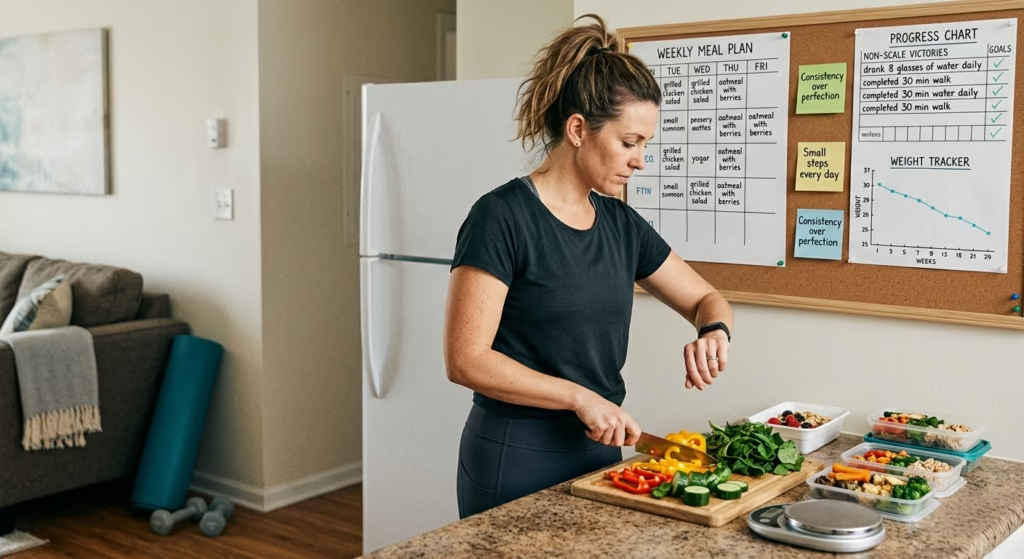
6. Slow Down at Mealtimes
Here’s something surprisingly simple:
Stop rushing your meals.
Eating while scrolling through your phone, watching television or working can make it harder to pay attention to hunger and fullness signals.
Try:
- Sitting down for your meal.
- Removing unnecessary distractions.
- Eating more slowly.
- Paying attention to hunger.
- Stopping when you’re comfortably satisfied.
Mindful eating doesn’t mean following complicated rules.
It simply means becoming more aware of what and how much you’re eating.
The source article notes that slower eating may give your body more time to recognize fullness.
7. Drink More Water and Cut Back on Sugary Drinks
Liquid calories can be easy to overlook.
A sugary soda, sweetened tea, flavored coffee or other calorie-containing beverage may not feel like a full meal, but it can still contribute significant calories.
Choosing water more often can help reduce your intake of sugary beverages.
Water can also be useful before meals for some people because it may help reduce food intake.
You don’t need to obsess over a universal “magic” amount of water.
Your needs depend on factors such as activity, climate, diet and health.
The practical rule is simple:
Choose water regularly and limit sugar-sweetened drinks for weight loss.
8. Stop Treating Sleep Like It’s Optional
You may be eating better and exercising regularly—but what happens when you’re sleeping poorly?
Sleep is an important part of healthy weight management.
The CDC includes adequate sleep and stress management as components of a healthy approach to weight management.
The Healthline article also cites research linking regularly sleeping fewer than 7 hours with a higher likelihood of elevated BMI and obesity.
For most adults, aiming for at least 7 hours of quality sleep each night is a reasonable target.
Try:
- Going to bed at a consistent time.
- Limiting excessive screen exposure before bed.
- Keeping your bedroom comfortable and dark.
- Avoiding large meals immediately before bedtime.
- Creating a relaxing nighttime routine.
Better sleep won’t magically melt body fat.
But poor sleep can make healthy habits harder to maintain.
9. Don’t Assume You Must Count Every Calorie
Calorie tracking can be useful for some people.
But it isn’t mandatory for everyone.
If you’re eating nutritious foods, controlling portions and following a consistent routine, you may not need to record every bite.
However, if your progress has stalled, tracking your food for a period can reveal something you may not notice otherwise.
For example:
“I barely eat anything.”
But when you actually record everything, you discover:
- Sugary drinks
- Frequent snacks
- Large portions
- Extra sauces
- High-calorie coffee
- Weekend overeating
These small additions can significantly change total calorie intake.
At the same time, extremely restrictive calorie intake can be unsafe and difficult to maintain. Healthline recommends avoiding excessively low calorie intake and seeking professional guidance when needed.
10. Focus on Habits You Can Still Follow Six Months From Now
This may be the most important part.
Ask yourself:
“Can I realistically continue this plan?”
If the answer is no, the plan probably needs to change.
A healthy approach should fit your:
- Work schedule
- Family life
- Food preferences
- Budget
- Physical abilities
- Social life
- Medical needs
NIDDK notes that successful weight-management approaches commonly combine a calorie-appropriate eating plan with regular physical activity and ongoing monitoring/support.
You don’t need perfection.
You need repetition.
What Does a Realistic Weight Loss Timeline Look Like?
Don’t panic if your scale doesn’t move dramatically every week.
Weight can fluctuate because of:
- Water retention
- Food intake
- Sodium
- Carbohydrate intake
- Hormonal changes
- Bowel movements
- Physical activity
- Changes in body composition
The first week can sometimes show a larger change because water weight may shift.
After that, progress may become slower.
A commonly recommended target is around 0.5–2 pounds (0.2–0.9 kg) per week, although the appropriate rate varies from person to person.
That means losing 10 pounds in one week isn’t a realistic target for most people.
A better question is:
“What can I consistently improve over the next 3–6 months?”
What About Losing 10 or 20 Pounds Quickly?
This is where expectations matter.
Suppose someone wants to lose 20 pounds.
Trying to force that result in a few weeks may encourage extreme dieting.
Instead, a healthcare professional can help establish a realistic target based on the person’s starting weight, health, medications, activity level and other factors.
NIDDK notes that experts commonly recommend an initial goal of losing 5–10% of starting body weight over about 6 months for adults who have overweight or obesity.
For someone weighing 200 pounds, that’s approximately 10–20 pounds.
That may sound slower than a social-media challenge.
But sustainable progress is the point.
A Simple Day of Eating for Weight Management
You don’t need an expensive “detox” menu.
Here’s an example of what a balanced day could look like:
Breakfast
- Eggs or Greek yogurt
- Oats or whole-grain toast
- Fruit
- Water or unsweetened tea
Lunch
- Chicken, fish, beans or lentils
- Large serving of vegetables
- Brown rice or another whole grain
- Yogurt or fruit if desired
Snack
- Fruit
- A small portion of nuts
- Plain yogurt
Dinner
- Fish, chicken, tofu or lentils
- Plenty of vegetables
- A moderate portion of whole grains or another carbohydrate source
The exact amount should depend on your calorie needs, health status and goals.
This is an example—not a personalized medical diet.
The Biggest Mistakes That Can Derail Weight Loss
Mistake 1: Eating Far Too Little
Severe restriction can leave you hungry, tired and frustrated.
It may also make the plan difficult to sustain.
Mistake 2: Exercising Without Changing Your Eating Pattern
Exercise is valuable, but food intake also plays an important role in energy balance.
Mistake 3: Eliminating Every Food You Enjoy
If your diet makes you miserable, sticking with it becomes harder.
Mistake 4: Expecting the Scale to Drop Every Day
Daily fluctuations are normal.
Look at the overall trend instead.
Mistake 5: Chasing Social-Media Challenges
“10 pounds in 7 days” may get clicks.
It doesn’t make it a medically appropriate target.
Mistake 6: Ignoring Sleep and Stress
Weight loss involves more than food and exercise.
When Should You Talk to a Doctor?
Weight is influenced by much more than willpower.
Medications, medical conditions, hormones, genetics, stress, sleep and environmental factors can all affect weight management.
Consider professional advice if:
- Your weight is changing unexpectedly.
- You have diabetes, heart disease, high blood pressure or another chronic condition.
- You’re taking medications that may affect body weight.
- You have a history of disordered eating.
- You experience dizziness, weakness or other symptoms while dieting.
- You’re considering a very restrictive diet.
- You have tried repeatedly to lose weight without success.
A doctor or registered dietitian can help you create a plan based on your individual needs.
Frequently Asked Questions About Weight Loss
1. What is the fastest safe way to lose weight?
There isn’t one method that works fastest for everyone. A combination of an appropriate calorie intake, nutritious food choices, regular physical activity, adequate sleep and sustainable habits is generally a better approach than crash dieting. Gradual progress of about 1–2 pounds per week is commonly recommended.
2. Can I lose 10 pounds in one week?
For most people, losing 10 pounds of body fat in one week is unrealistic and unsafe. A rapid change on the scale can partly represent water loss rather than body-fat loss. A slower, sustainable approach is more appropriate for weight loss.
3. Can I lose weight without exercising?
It is possible to reduce body weight through dietary changes, but physical activity provides important health benefits and can help with maintaining weight loss. Adults are generally advised to get at least 150 minutes of moderate-intensity aerobic activity weekly and perform muscle-strengthening activities on at least 2 days.
4. Is protein important when trying to lose weight?
Yes. Protein-rich foods can help you feel satisfied and provide nutrients needed to maintain muscle. Good options include eggs, fish, poultry, beans, lentils, dairy, soy foods, nuts and seeds.
5. Does drinking water help with weight loss?
Water can help replace sugary beverages and may reduce food intake when consumed before meals for some people. However, water isn’t a substitute for an overall healthy eating pattern.
6. Is skipping meals a good strategy?
Not necessarily. Some people may prefer certain meal patterns, but skipping meals isn’t required for healthy weight management. What matters most is the overall quality and amount of food consumed and whether the approach is sustainable.
7. How much sleep should I get?
Most adults should aim for at least 7 hours of quality sleep each night. Sleep is one part of a broader healthy lifestyle that can support healthy weight loss.
8. How much weight should I aim to lose?
The appropriate target depends on your starting weight, health and individual circumstances. For adults with overweight or obesity, NIDDK notes that an initial goal of 5–10% of starting body weight over about 6 months is commonly recommended.
9. Why did I lose weight quickly at first and then stop?
Early changes can include water loss, especially after changes in carbohydrate and overall food intake. As your body adjusts, the rate may slow. This doesn’t necessarily mean your efforts have stopped working.
10. What’s the best diet for weight loss?
There isn’t one universal diet that is best for everyone. The most useful eating pattern is one that provides adequate nutrition, supports an appropriate calorie intake and is realistic enough for you to follow long term in weight loss journey.
The Bottom Line: Don’t Chase the Fastest Result—Chase the Result You Can Keep
If you came here looking for a secret trick to lose weight overnight, there’s an important reality check:
There isn’t a magic shortcut.
The most effective approach combines sensible portions, nutritious foods, adequate protein and fiber, regular movement, strength training, good sleep and habits you can maintain.
You don’t have to transform your entire life tomorrow.
Start with one change.
Replace sugary drinks with water.
Walk for 20 minutes.
Add vegetables to your lunch.
Include protein at breakfast.
Go to bed a little earlier.
Then repeat it tomorrow.
That’s how sustainable weight loss is built—not through punishment, starvation or unrealistic promises, but through small actions that become routine.
Your goal isn’t simply to make the scale move.
Your goal is to build a healthier routine that you can still follow months and years from now.
Sources:-
- Healthline — Science-Backed Tips to Lose Weight Fast and Sustainably
Read the Healthline article - CDC — Steps for Losing Weight
CDC: Steps for Losing Weight - NIDDK — Eating & Physical Activity to Lose or Maintain Weight
NIDDK: Eating and Physical Activity - NIDDK — Health Tips for Adults
NIDDK: Health Tips for Adults - NIDDK — Treatment for Overweight & Obesity
NIDDK: Treatment for Overweight & Obesity
Medical disclaimer: This article is for general educational purposes and does not replace individualized medical advice. People with chronic medical conditions, those taking medications that affect weight, pregnant individuals, or anyone considering a highly restrictive diet should consult an appropriately qualified healthcare professional before trying weight loss journey.
We have a very strict reviewing guidelines on how to run every article in the website. Everything we write follow a very strict reviewing process by following high quality peer-reviewed studies. Every source we follow are credible and accurate and again reviewed by our doctors to give you all high quality advise and content.
For the latest health trending topics and top of the line updated health and fitness related news and conditions with insights from board certified experienced health professionals, follow Healing Doctor on Facebook, Instagram and Whatsapp.



Pingback: Carbs: Are They Really Bad for You? The Truth About Healthy and Unhealthy Carbs - Healing Doctor
Pingback: Omega 3 Benefits: What It Can Really Do for Your Health—and What the Hype Gets Wrong - Healing Doctor