
Your bones may look solid and permanent, but they are living tissue.
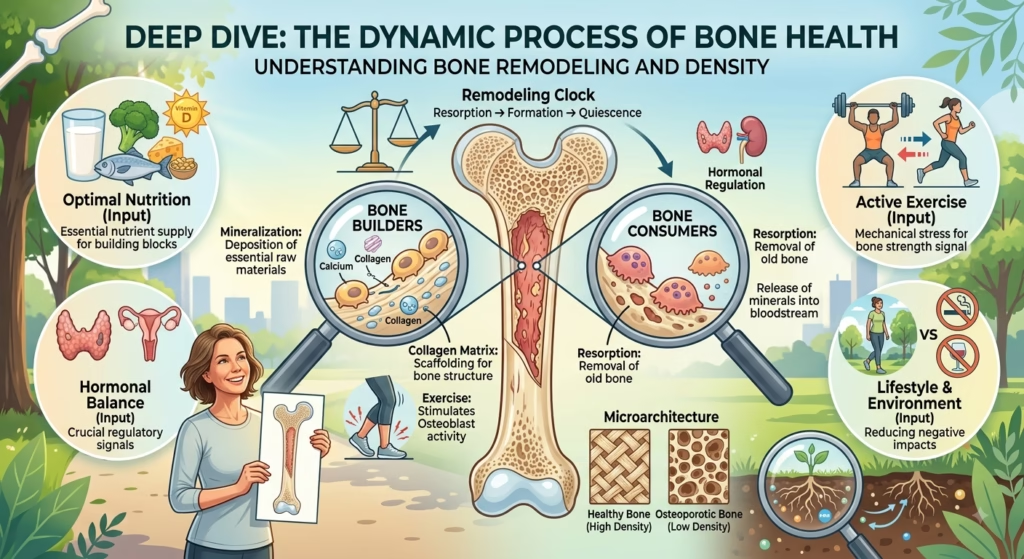
Throughout life, old bone is continuously broken down and replaced with new bone. As we get older, however, this balance can shift. Bone loss may gradually outpace bone formation, making bones less dense and more vulnerable to fractures.
The problem is that you usually don’t feel this happening.
There may be no pain, no obvious warning and no change in your daily routine until a fracture occurs.
That is why Bone Health deserves attention long before a serious fall or fracture.
The good news? Your diet and lifestyle can play an important role in maintaining healthy bones. Calcium matters, but it is not the whole story. Your bones also need protein, vitamin D and other nutrients, while your muscles need regular physical activity to help you stay strong and reduce your risk of falling.
So what should you actually put on your plate?
Let’s break it down.
In This Article:-
1. Calcium Is Important—but Don’t Think of It as the Whole Bone Story
When people hear the words Bone Health, calcium is often the first nutrient that comes to mind.
For good reason.
Calcium is a major structural mineral in bones. If your diet consistently provides too little calcium, the body can draw calcium from bone stores to help maintain normal blood calcium levels.
But taking more calcium than you need isn’t automatically better.
The best approach is to obtain most of your calcium from a balanced diet and use supplements only when dietary intake is inadequate or your healthcare professional recommends them.
Good food sources include:
- Milk and yogurt
- Cheese
- Calcium-fortified plant milks
- Calcium-set tofu
- Sardines and other small fish eaten with bones
- Some leafy green vegetables
- Beans and lentils
- Fortified foods
For example, the Indian Menopause Society’s 2026 clinical guidance discusses total calcium intake around 1,000–1,200 mg per day in relevant adult and postmenopausal populations, while emphasizing individualized assessment.
The exact amount you need depends on your age, sex, health status and risk factors.
The takeaway: Don’t simply swallow a calcium tablet and assume you’ve solved your Bone Health problem.
2. Vitamin D Helps Your Body Use Calcium
Here’s where many people miss an important connection.
You can consume calcium, but your body also needs vitamin D to help regulate calcium absorption and bone mineralization.
Vitamin D comes from several sources, including:
- Sunlight exposure
- Fatty fish
- Egg yolks
- Fortified milk and plant beverages
- Fortified cereals
- Certain mushrooms
- Supplements when medically appropriate
Vitamin D deficiency is common in many populations, including India. The 2026 Indian Menopause Society guidance notes that vitamin D deficiency is widespread and recommends addressing deficiency according to individual clinical circumstances.
But don’t assume that taking huge doses of vitamin D will automatically make your bones stronger.
More isn’t necessarily better.
The 2024 UK osteoporosis guideline specifically advises against routine intermittent very-high-dose vitamin D regimens because some studies have linked large doses with increased fracture or fall risk.
If you suspect deficiency, talk with your healthcare professional about whether testing or supplementation is appropriate.
3. Don’t Forget Protein: Your Bones Need More Than Minerals
Here’s a Bone Health mistake that gets surprisingly little attention:
Focusing on calcium while ignoring protein.
Bones aren’t simply bags of minerals. They contain a protein-rich framework, including collagen, that gives bone its structure.
Protein is also essential for maintaining muscle.
And that’s important because strong muscles help you move, maintain balance and reduce the consequences of falls.
Older adults may eat less protein because appetite decreases, meals become smaller or dietary restrictions increase. That can make it harder to maintain muscle and overall musculoskeletal health.
Protein-rich foods include:
- Eggs
- Fish
- Chicken
- Milk and yogurt
- Paneer
- Tofu and soy foods
- Beans
- Lentils
- Chickpeas
- Nuts and seeds
The 2024 UK guideline notes that protein is an important component of bone and muscle tissue and that adequate protein intake supports musculoskeletal health.
Some osteoporosis guidelines recommend approximately 1–1.2 g of protein per kg of body weight per day for selected older or higher-risk populations, but individual requirements vary, particularly with kidney disease and other medical conditions.
So don’t build your Bone Health strategy around one mineral.
Think bones + muscles + nutrition.
4. Eat a Variety of Plant Foods
Your bones need more than calcium and vitamin D.
A balanced diet containing vegetables, fruits, legumes, whole grains, nuts and seeds provides a wide range of vitamins and minerals involved in normal body function.
Leafy greens can provide vitamin K, magnesium and other nutrients. Beans and lentils contribute protein and minerals. Nuts and seeds provide magnesium and healthy fats.
That doesn’t mean one particular vegetable can “rebuild” weak bones.
There is no single superfood that prevents osteoporosis.
Instead, think about the overall pattern of your diet.
A plate containing vegetables, a protein source, whole grains or another nutrient-rich carbohydrate and a calcium-containing food is generally more useful than chasing individual “bone-strengthening” foods.
5. Eat Fish and Other Nutrient-Dense Protein Foods
Fatty fish such as salmon, sardines and mackerel provide protein and omega-3 fatty acids.
Sardines eaten with their edible bones can also provide substantial calcium.
Fish can therefore fit nicely into a Bone Health-focused eating pattern.
For people who don’t eat fish, useful alternatives include:
- Tofu
- Soybeans
- Lentils
- Chickpeas
- Eggs
- Dairy products
- Nuts and seeds
The goal isn’t to follow a complicated diet.
It’s to consistently provide your body with the nutrients it needs.
6. Your Bones Need Exercise, Not Just Good Food
Here’s the part that food alone can’t replace.
Bones respond to physical loading.
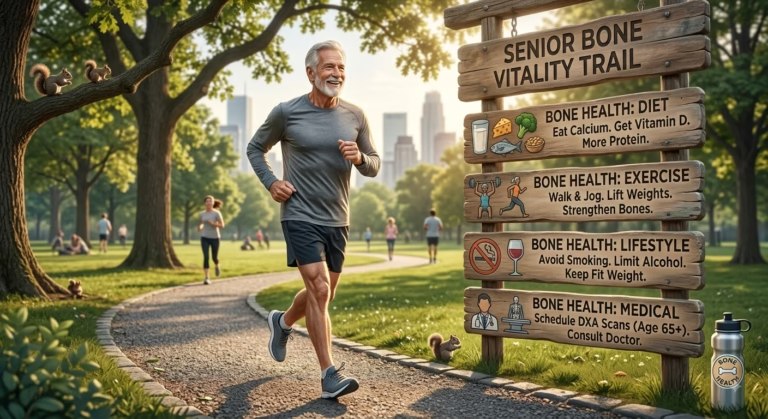
Weight-bearing activities and resistance exercise can help maintain or improve bone strength, while strength training helps maintain muscle.
Examples include:
- Brisk walking
- Stair climbing
- Resistance training
- Dancing
- Hiking
- Tennis
- Squats and other strength exercises
- Appropriate weight-bearing activities
The National Institute on Aging recommends weight-bearing exercise such as walking, hiking, jogging, stair climbing, tennis and dancing, along with strength training, as part of an approach to maintaining bone health.
However, exercise needs to match your ability.
If you already have osteoporosis, a previous fragility fracture, severe balance problems or significant joint problems, don’t suddenly begin high-impact exercise without professional guidance.
The right exercise is the one you can perform safely and consistently.
7. Protect Your Bones by Protecting Your Muscles
Imagine two people with similar bone density.
One has good leg strength, balance and coordination.
The other has weak muscles and frequently loses balance.
The second person may have a higher chance of falling—and a fall can turn fragile bones into a serious fracture.
This is why healthy aging should focus on more than bone density alone.
Maintaining muscle mass, balance and mobility can be an important part of fracture prevention.
Try incorporating:
- Strength training
- Balance exercises
- Regular walking
- Mobility exercises
- Appropriate stretching
- Functional movements such as controlled sit-to-stand exercises
For older adults, these habits can help support independence as well as Bone Health.
What About Coffee, Salt and Alcohol?
You don’t necessarily need to eliminate every food or beverage you enjoy.
But moderation matters.
Some osteoporosis guidance recommends limiting excessive caffeine and alcohol and avoiding tobacco because these behaviors can negatively affect skeletal health or fracture risk.
Smoking deserves particular attention.
Smoking is associated with weaker bones and increased fracture risk, so quitting is one of the most useful lifestyle changes a smoker can make for overall health.
Alcohol is another concern when intake becomes excessive.
Rather than searching for a “bone-friendly” alcoholic drink, focus on keeping alcohol consumption low or avoiding it.
A Simple One-Day Eating Pattern for Bone Health
You don’t need an expensive diet plan.
A simple day might look like this:
Breakfast
Greek-style yogurt or plain yogurt with oats, berries or another fruit, chia seeds and a handful of nuts.
Lunch
Dal or chickpeas with vegetables, whole grains and yogurt.
Snack
Fruit with a handful of nuts or a calcium-fortified beverage.
Dinner
Fish, tofu, paneer or another protein source with vegetables and whole grains.
Throughout the day
Drink adequate fluids and choose calcium-rich foods according to your nutritional needs.
This isn’t a prescription meal plan. Your calorie, protein, calcium and vitamin D requirements can vary considerably depending on age, sex, body size, medical conditions and medications.
The Biggest Bone Health Mistakes to Avoid
Mistake 1: Waiting for pain
Osteoporosis can develop silently.
Don’t wait for symptoms before thinking about Bone Health.
Mistake 2: Taking calcium without assessing your diet
More isn’t automatically better.
First determine whether you’re getting enough from food.
Mistake 3: Taking high-dose vitamin D without medical advice
Vitamin D is important, but excessive intake can be harmful.
Mistake 4: Eating poorly but taking supplements
Supplements cannot replace a nutrient-rich diet.
Mistake 5: Ignoring muscle strength
Strong bones and strong muscles work together.
Mistake 6: Avoiding exercise because you’re getting older
Age alone isn’t a reason to stop moving.
Instead, choose activities appropriate for your health and fitness level.
When Should You Think About a Bone Density Test?
A bone density test, commonly performed using DXA/DEXA scanning, can help assess bone mineral density and osteoporosis risk.
Whether you need screening depends on factors such as age, sex, menopause status, previous fractures and other risk factors.
You may need earlier evaluation if you have:
- A fracture after a minor fall or injury
- Long-term corticosteroid use
- Certain endocrine disorders
- Very low body weight
- A strong family history of osteoporosis or hip fracture
- Conditions that affect nutrient absorption
- Other recognized osteoporosis risk factors
Talk with your doctor about your individual risk rather than assuming everyone needs the same screening schedule.
Can You Improve Bone Health After 50?
Yes—but the goal isn’t to turn older bones into teenage bones overnight.
The realistic goal is to reduce preventable bone loss, maintain strength and lower fracture risk.
Even after menopause or later in life, nutrition and physical activity remain important.
The 2024 UK guideline recommends a nutrient-rich diet, adequate calcium and vitamin D where indicated, weight-bearing and muscle-strengthening exercise, and smoking cessation for people at risk of osteoporosis or fragility fractures.
And remember:
Your bones don’t exist in isolation.
Healthy bones, adequate protein, strong muscles, good balance and regular movement all contribute to healthier aging.
The Bottom Line: Start Protecting Your Bones Before a Fracture Forces You To
Weakening bones can be a silent problem.
You may feel completely normal while bone density gradually declines.
But your daily habits still matter.
Eat enough protein. Include calcium-rich foods. Get adequate vitamin D. Eat a varied diet. Exercise regularly. Strengthen your muscles. Avoid smoking. Limit excessive alcohol. And talk with your healthcare professional if you have osteoporosis risk factors.
You don’t need a perfect diet.
You need a sustainable one.
And you don’t need to spend hours in the gym.
You need regular, appropriate movement.
Bone Health isn’t something you start caring about after a fracture. It’s something you protect throughout life.
Frequently Asked Questions About Bone Health
1. What is the best food for Bone Health?
There isn’t one best food. Dairy products, calcium-fortified foods, tofu, sardines, leafy vegetables, beans, fish, eggs, nuts and seeds can all contribute to a balanced diet that supports Bone Health.
2. Is calcium enough for strong bones?
No. Calcium is important, but healthy bones also depend on adequate vitamin D, protein, physical activity and overall nutrition.
3. Does vitamin D improve Bone Health?
Vitamin D helps regulate calcium metabolism and supports normal bone mineralization. Supplementation is most useful when dietary intake or vitamin D status is inadequate or when a healthcare professional recommends it.
4. Can exercise strengthen bones?
Yes. Weight-bearing and resistance exercises can provide mechanical stimulus to bone and help maintain muscle strength. Exercise should be tailored to your age, fitness level and medical conditions.
5. Is milk good for Bone Health?
Milk provides calcium and protein and may also be fortified with vitamin D. It can be part of a Bone Health-friendly diet, although people who don’t consume dairy can obtain nutrients from other foods.
6. Are supplements necessary for Bone Health?
Not necessarily. Many people can obtain important nutrients through a balanced diet. Supplements may be appropriate when dietary intake is inadequate, deficiency exists or a healthcare professional recommends them.
7. Can you improve Bone Health after 50?
You can still support skeletal health after 50 through appropriate nutrition, resistance and weight-bearing exercise, maintaining muscle strength and addressing osteoporosis risk factors.
8. What exercise is best for Bone Health?
Weight-bearing activities and resistance training are particularly useful. Walking, stair climbing, dancing and strength exercises can be options, depending on your health and fitness level.
9. What are the early symptoms of osteoporosis?
Osteoporosis often has no obvious symptoms until a fracture occurs. Unexpected fractures, height loss or a stooped posture can be warning signs that require medical evaluation.
10. When should I talk to a doctor about Bone Health?
Speak with a healthcare professional if you’ve experienced a low-trauma fracture, have significant osteoporosis risk factors, take long-term corticosteroids or are concerned about declining bone strength.
Medical Disclaimer
This article is intended for general educational purposes and does not replace individualized medical advice, diagnosis or treatment. Nutritional and supplement requirements vary between individuals. People with kidney disease, osteoporosis, malabsorption, endocrine disorders or other medical conditions should discuss calcium, vitamin D, protein and exercise recommendations with a qualified healthcare professional.
We have a very strict reviewing guidelines on how to run every article in the website. Everything we write follow a very strict reviewing process by following high quality peer-reviewed studies. Every source we follow are credible and accurate and again reviewed by our doctors to give you all high quality advise and content.
For the latest health trending topics and top of the line updated health and fitness related news and conditions with insights from board certified experienced health professionals, follow Healing Doctor on Facebook, Instagram and Whatsapp.